Explore
Team augmentation · Claude Code engineers

Engineers hired and trained to work with Claude Code

The agent writes most of the first draft now. The engineer decides what gets built, says exactly what done means, reads the whole diff and puts their name on the merge. That is a different job, so we hire and train for it. We are a software company from Poland with 130+ engineers who work with Claude Code, Cursor and Codex every day. They join your repo and your delivery process, every change still goes through review, tests and your pipeline, and the code sits in your GitHub from the first commit.

  • 92Commits in one client week, 81 with AI-authored code
  • 0Of them merged without a person reading them
  • 80%Of our crew above the 90th percentile on the CCAT, a cognitive aptitude test taken at hiring

This is for you if you want AI speed with engineering standards

  • Your developers got faster, your releases did not

    Pull requests wait for review, regressions ship and nobody is sure who checked the code the agent wrote.

  • You want the speed of AI without the surprises

    Agents write the first version. People hired for careful reading and clear thinking review it, test it and deploy it.

  • You need evidence of AI use

    You want to see which tools are used, who reviews their output and how changes pass the release checks.

  • You can provide product direction

    Your product owner can answer scope questions and your technical lead can agree access and engineering standards. If those roles are missing, we define them before staffing.

What you get. The tools are ours, the standards stay

Engineers you meet first

Senior engineers, plus the QA and product roles the work needs. You interview the proposed people before the assignment starts, and you can ask them to show how they brief an agent and review what it wrote.

Hired for how they think, not only for the CV

With an agent in the loop, one person makes hundreds of decisions a day. Good ones need the same four things: knowledge, speed of thought, reading with comprehension and clearly stated expectations. These now matter as much as years of experience or a computer science degree. Everyone sits the CCAT at hiring, and 80% of our crew score above the 90th percentile.

Trained on Claude and Claude Code, all the time

Our people take regular Claude and Claude Code training, and every month the whole company answers the same AI pulse: which tools, what AI gave back, what it burned and what gets in the way. In the September edition, 69% of 77 people let an agent run whole tasks while they plan and verify.

A person reviews every pull request

No change reaches your main branch without a person reading it, and their name is on the merge. Tests from the scope run before a feature is called done.

Rules for agents in your codebase

Repository instructions, module boundaries and what an agent may and may not touch, so the next pull request is smaller and safer. They stay with your team.

The receipts

Every commit can carry its declared AI share, model and tool, and a weekly report from git log shows them, including commits with no measurement. In one client week, backend infrastructure went to Codex, QA hardening to Claude Code and frontend work to Claude in VS Code.

Tech stack. Agents and the checks around them

The agents change with the task; the review, the tests and the pipeline do not. We work in your repositories and your tracker, use the tools your data and security policies allow and agree any tooling change during onboarding.

Tech stack

  • Claude Code
  • Cursor
  • Codex
  • GitHub
  • GitLab
  • GitHub Actions
  • Linear
  • Jira
  • Slack
  • Playwright
  • Qase
  • Sentry

How we work

Start with real work and inspect how the team handles it

The paradigm changed: code got cheap, decisions did not. We split the work into what agents can build under review and what needs a senior engineer from day one, and the tool depends on the task. In one week on a live client project, 81 of 92 commits had declared AI-authored code, and a person read every line.

We were impressed with their great communication, proactiveness, high-quality code, timely delivery, flexibility, and top-notch service.

Sharon MagenGeneral Manager, CodeFuel (via Clutch)
  1. Define the work and the responsibility

    Your backlog, stack, decision-makers and where work waits today. We write down which roles the work needs and who accepts the result.

  2. Meet the people and agree the first assignment

    Interview the proposed engineers, including how they work with AI: how they describe a task to an agent, what they check in its output and when they throw it away. Agree overlap hours with your time zone and approve the scope, duration and price of a bounded first assignment. We confirm which AI tools and data access are allowed.

  3. Work in your repo under your checks

    Repository instructions and acceptance tests first, then changes through your review and your pipeline. You see every pull request as it lands.

  4. Review the assignment and decide what follows

    Accepted work, review wait time and defects, compared with where you started. Continue, change the roles or keep the code, the tests and the rules for agents and carry on without us.

Client work from the same engineering teams

Featured
AI · FinTech
Signal Mesh · USA

Taking over a crypto platform no one else could ship

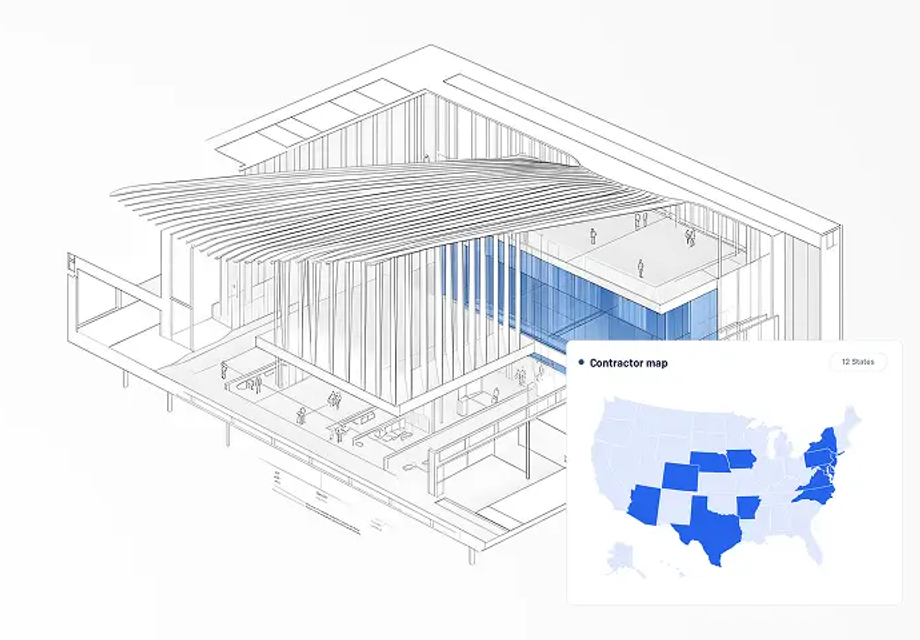
PropTech · Platform
NDA · USA

Rescuing a construction management platform after a failed first build

1 mo written off to live
Read
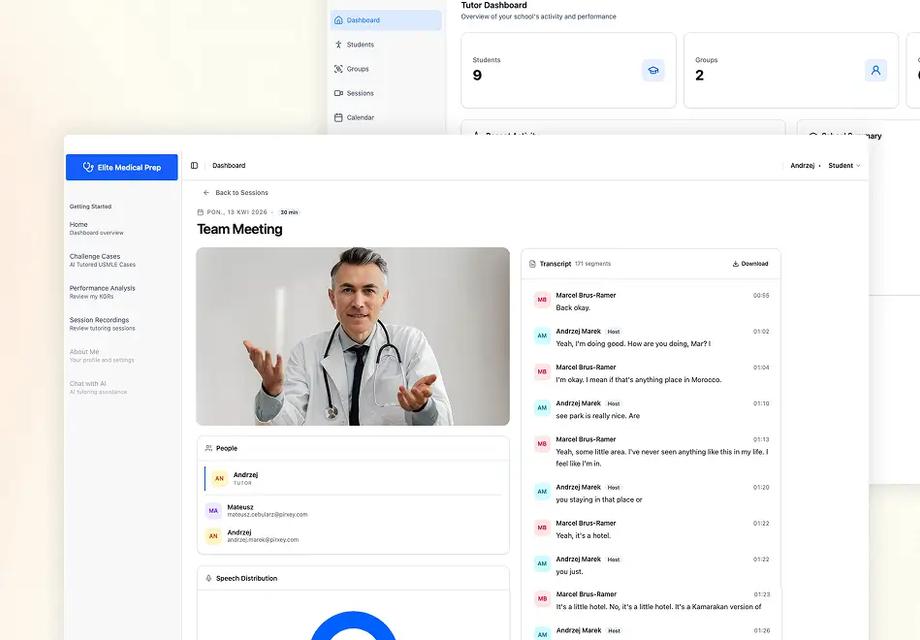
EdTech · AI
Elite Medical Prep · USA

AI-powered medical tutoring for Elite Medical Prep

2 mo broken codebase to deployed
Read

Questions before you hire Claude Code engineers

  • No. Our engineers work in your repository, your backlog and your code review process, with the tools your team already uses.
  • With a 30-minute call about the role and the work. We propose people who fit, you meet them before they join, and the terms are agreed before work starts.
  • Your developers already got faster with these tools. Review, security checks, testing and product decisions did not, and that is where the time goes. We staff that part: every generated change is read by a person whose name is on the merge, and most of the people we hired in 2026 were testers and product people. We don't replace your reviewers either. We add review capacity and a checklist and hand both back, so your seniors read less per pull request, not nothing.
  • AI engineers build features powered by models into your product. Claude Code engineers use AI tools to build your software, which may have no AI feature at all.
  • A degree and years of experience still count, but they are no longer enough on their own. When an agent writes the first draft, the job is reading carefully, saying clearly what you want and thinking fast enough to spot the one wrong line among fifty right ones. So we test for it. Everyone sits the CCAT, a cognitive aptitude test, at hiring, and 80% of our crew score above the 90th percentile. In technical interviews we look at the code and also at how the person works with AI.
  • Yes. Our people take regular Claude and Claude Code training, and a monthly company-wide pulse shows where each team is and what blocks it, so the next round of training targets that. The team is not Claude Code-only: Claude Code, Cursor and Codex fit different tasks and policies, and we record which one wrote what in the commits.
  • Only within the policy we agree before work starts: which tools, which accounts and what may enter a model's context. Anything outside it needs your approval first.
  • Your team keeps them unless you decide otherwise; we start with read access and pull requests, and every deploy can be rolled back.
  • No. Scope clarity, architecture, review and testing decide the result. We look at accepted work, waiting time and defects on your assignment instead of counting generated code.
  • The code lives in your GitHub organization and your cloud accounts from the first commit, and the rights to it transfer to you with each paid milestone. We sign an NDA before we get access if you want one.
  • The first call is free. The first assignment is paid work with a scope, duration and price you approve before onboarding, quoted once we know the roles.
  • Yes, with commit metadata instead of adjectives. On a live client project every commit records how much of it AI wrote, which model and which tool, and the client gets a weekly report generated from git log. Our brief “Do you even use AI? The receipts” walks through one week of it. The case studies on this page show how we deliver and take ownership, not which tools we used.

How we think about this, in our own words

Interactive briefs and articles by our team, picked for this service

Do you even use AI? The receipts

One client week of commits with the AI share, model and tool recorded on each, and a person reading every line before it merges.

Read the brief

Your developers got faster. Did your product?

Why faster coding with agents moves the queue to review, security checks and testing, the part these engineers staff.

Read the brief

Architecture is what the agent sees

How architecture decides what Claude Code can safely change in your repo, with module boundaries and pull request gates.

Read the brief

The weight of a decision

Why reading with comprehension, speed of thought and clear expectations became the bottleneck, and why we test for them at hiring.

Read the brief

The AI Pulse: 77 people, no grading, no filter

Every month we ask the whole company how they really work with AI: tools, hours given back and burned, and what still gets in the way.

Read the brief

Bring the backlog and the rules your team works by

Additional details (optional)

We reply within one business day.

Pirxey will process your data to answer your inquiry. Details in our Privacy Policy.