Explore
AI-native development · Proof of concept development

Find out whether the hard part works

If you have a promising idea, we help you test its technical feasibility before you fund the product. We build a small working test of the AI feature, integration or data approach using agreed examples from your use case. You get the code, the results and a written recommendation to proceed, change the approach or stop.

  • 130+People, remote across Poland
  • 44 daysFirst line of code to live, one consumer product
  • 5.0Clutch rating, 11 reviews

This is for you if you have a technical unknown to resolve

  • The model works on examples, but not your data

    You need to test your own documents or questions, including incomplete inputs and cases where the model should decline to answer.

  • An integration could block the launch

    The product depends on an external system. You need to check the actual data and API behavior before building around it.

  • Two approaches need a fair comparison

    Your engineers disagree about the model or architecture. Run the same cases through each approach and compare the results.

  • The next budget needs evidence

    Define what a successful test must show, what would make you stop and which questions the experiment cannot answer.

What you get. Evidence for the next decision

A runnable experiment

Code for the technical path under test, with setup instructions and a clear list of what it leaves out.

The cases and results

Agreed test inputs, expected behavior and observed failures. The report separates what passed from what remains unknown.

A decision you can act on

A written recommendation with the evidence behind it and the work needed for a production build. Your team can use it whether we build the next stage or not.

Tech stack. Enough to test the hypothesis

We choose tools that let us test the technical question on representative inputs: Claude, OpenAI or open-weight models, plus the Azure services your production would use, such as Azure OpenAI, AI Foundry, AI Search and Document Intelligence. Our engineers build with Claude Code, Codex and Cursor. The results can inform the product build; any code we reuse still needs a production review.

Tech stack

  • Python
  • FastAPI
  • Node.js
  • Fastify
  • Next.js
  • Supabase
  • PostgreSQL
  • Anthropic API
  • OpenAI API
  • LangChain
  • Jupyter
  • Vercel
  • Docker
  • Claude
  • Claude Code
  • Codex
  • Cursor
  • Azure OpenAI
  • Azure AI Foundry
  • Azure AI Search
  • Azure AI Document Intelligence
  • Azure Functions

How we work

Test the uncertain part first

We agree one technical question and the evidence needed to answer it. The test includes difficult inputs as well as the expected path. A working experiment supports a decision about feasibility; users still need to validate whether they want the product.

Pirxey gave us the full package - frontend, backend, AI, and data - all under one roof, which meant we never had to coordinate multiple vendors. They thought like product owners, not contractors.

Shahar YahavCo-founder, SignalMesh
  1. Set the question and the test cases

    On the scoping call, identify the assumption that could stop the product. Agree the test data, success and stop criteria, timebox and price before coding. The result can justify proceeding, changing approach or stopping.

  2. Build the smallest useful test

    Implement the technical path with agreed sample data. You get runnable code and the first results, including gaps caused by missing inputs or access.

  3. Compare the results and decide

    Run the agreed cases and record where the approach fails. You receive the results, setup instructions and a recommendation, with production work scoped separately.
Proof, not promises

Featured
AI · FinTech
Signal Mesh · USA

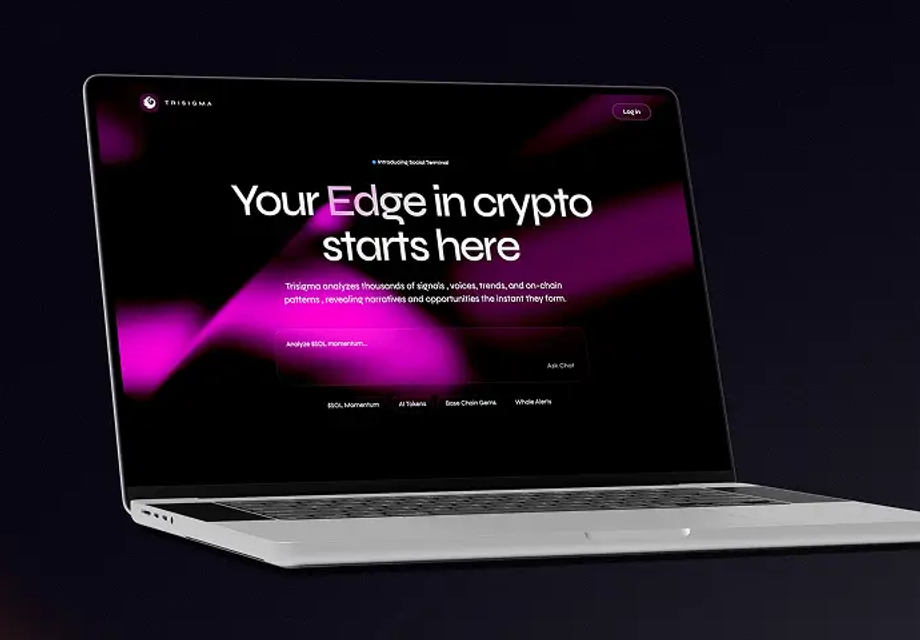
Taking over a crypto platform no one else could ship

EdTech · AI
Elite Medical Prep · USA

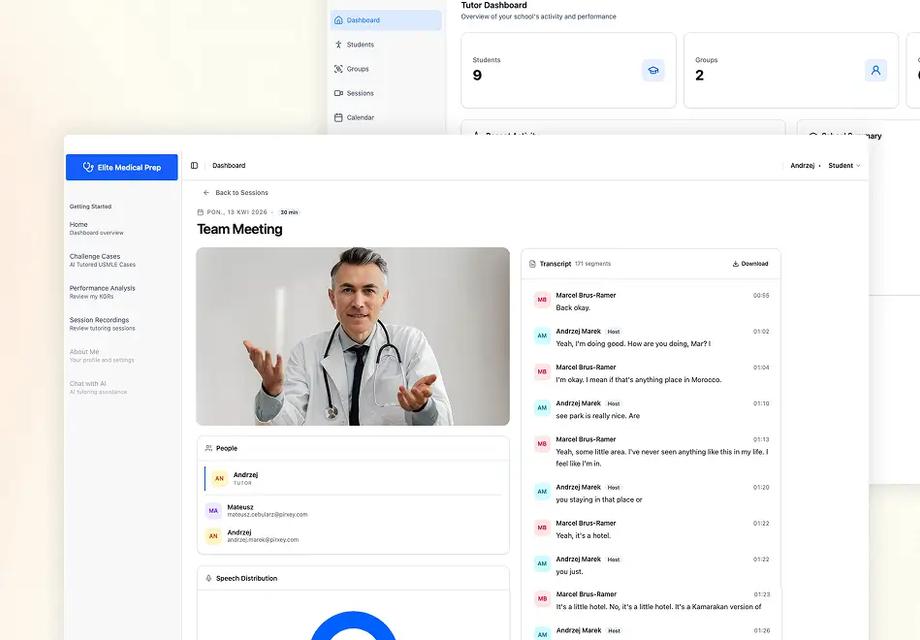
AI-powered medical tutoring for Elite Medical Prep

2 mo broken codebase to deployed
Read

Questions about technical feasibility

  • No. We work in your repository, your cloud and the tools your team already uses. If one of them gets in the way of the work, we tell you what and why, and you decide.
  • With a 30-minute scoping call. We look at what you have and what you need, then propose a first step with its scope and price before any work starts.
  • We agree the timebox together with the scope, once the sample data and access are confirmed, and keep any larger investigation separate. You know the end date before you commit.
  • We start by scoping the question and the evidence you need. You receive the price and scope of the experiment before work begins. Production development is a separate decision after the results.
  • A proof of concept tests whether the hard technical part works. A clickable prototype tests screens and user flows. Our Rapid AI prototyping service builds a frontend that can become the product frontend; a technical experiment may need different code.
  • Some parts may be reusable after review. The experiment leaves out work that does not help answer the question. Security, integrations and operating requirements for production are assessed separately.
  • You still get the code, test results and the reasons it failed. The recommendation explains whether to change the approach, gather better inputs or stop. Further development needs a separate scope.
  • We identify which cases the available data can represent. Results that rely on synthetic or missing inputs are marked as limited, so a passing test is not mistaken for evidence about data we never saw.
  • Yes, when the comparison answers the agreed question, with comparable inputs and acceptance criteria. On Signal Mesh our engineers ran structured experiments across OpenAI, Claude and Grok: Grok's style was engaging but gave worse analytical results for that use case, so the choice followed what the product needed.
  • No. It shows that the tested approach worked within the experiment. Demand needs evidence from prospective users and their willingness to adopt or pay for the product.

How we think about this, in our own words

Interactive briefs and articles by our team, picked for this service

Adding AI to your product: will it hold?

Pick a feature type, set the traffic and switch safeguards on and off to see whether an AI feature holds up technically and financially before you build it.

Read the brief

The new Pareto: 95/5

What a working test shows and what it hides: the edge cases, permissions and failures that take the rest of the effort.

Read the brief

When AI makes product decisions look cheaper than they are

Why an AI feature that passes a test can still move the cost of a decision onto other teams and edge cases nobody owns.

Read the article

Resolve the uncertainty before the larger build

Additional details (optional)

We reply within one business day.

Pirxey will process your data to answer your inquiry. Details in our Privacy Policy.