
It works in the preview and fails when you deploy
A blank page on the published URL, missing environment variables, a build that passes on your machine and fails on Vercel or Railway.
You built it with Lovable, Bolt, Replit, v0, Cursor or Claude Code. The screens work, but permissions, payments or deployment still depend on you being there. Before customers pay, the app needs your domain, logins that work on that domain, a production database with backups and a deploy that does not depend on one laptop. A free, limited written review tells you what is safe to keep and what has to change. Then our engineers do the agreed work in your repo and your accounts.


A blank page on the published URL, missing environment variables, a build that passes on your machine and fails on Vercel or Railway.
Investors, a pilot customer or first paying users are waiting. Payments, customer data or a team on the same app change what the code has to survive.
The project is too big to edit in Lovable, Bolt or Replit, every prompt costs credits and breaks something, and nobody knows which version is live.
You want a second opinion on what is actually fragile and what can stay, in writing, before paying customers touch it.
What will break first, what is fine and where we would start, for your app. Limited in scope and not a full security audit; typically within a few business days of getting access.
The app your users know, your data, your accounts and often your builder stay. Secrets in client code, one environment for everything and deploys by hand from one laptop usually go. You get the list before you pay anything.
Your domain and HTTPS, separate test and live keys, staging and production, CI that builds and tests every change, a database backup before the first real customer and a way to roll back a release. Acceptance tests cover failures as well as the successful path.
Code in your GitHub and hosting in your name from day one, with documentation of what changed and a list of what is left. Run it yourself, hand it to your team or keep us on a small retainer.


Frontend that users already know
Working business logic
Your data
Your accounts: domain, hosting, payments, email



Stored procedures that nobody can run twice
Logic duplicated across tables
Secrets in client code
Code that cannot be tested as it is
Approve a bounded release before funding the build
We start from what you built, not from a blank repo. Lovable apps usually run on Supabase, React, TypeScript and Edge Functions, and we know where they bend first: migrations, row-level security and logic that grew inside stored procedures. In one case we kept the frontend, added an API layer between React and Supabase and had the app in production in about three weeks, with one developer and a QA specialist.

When you propose something to them, they don't simply say yes - they come back with a pro and con. You're not getting a classic developer who simply does and then you have to fix the thinking yourself. If I had another AI idea and wanted to pursue it, I would just use Pirxey.

A reply, not the review yet: we ask for read access to the repo (or an export) and a test account, sign an NDA first if you want one and agree what the free review covers.

What will break first, what is fine and where we would start. Limited scope, not a full security audit; typically within a few business days of getting access.

The launch work as a fixed-scope, fixed-price engagement. Before we start, you approve the scope, the price, the acceptance tests and what is left out.

We build in your repo and you see every pull request. We verify the agreed behavior with you, prepare deployment and rollback, and hand over the documentation, your code, your infrastructure and your accounts.
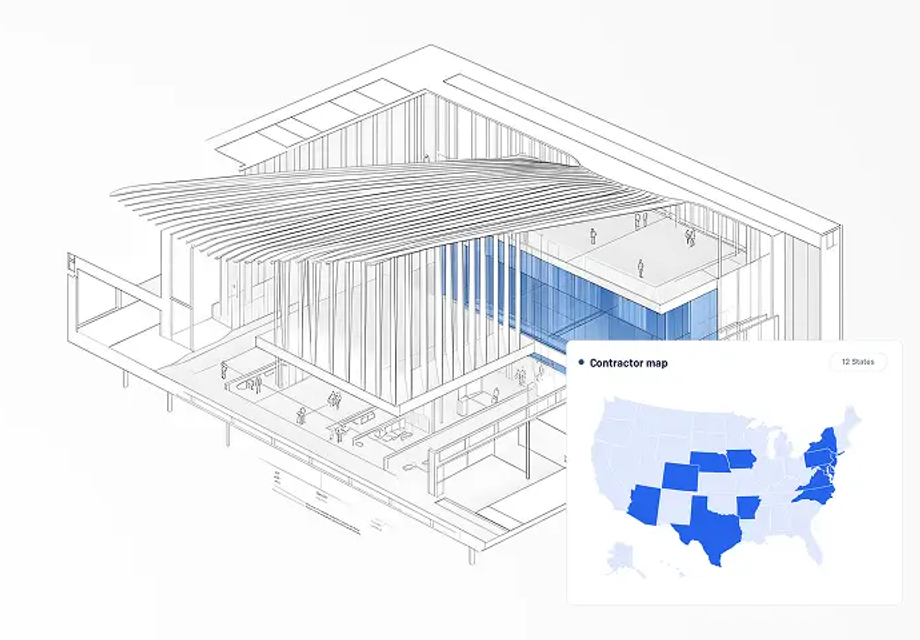
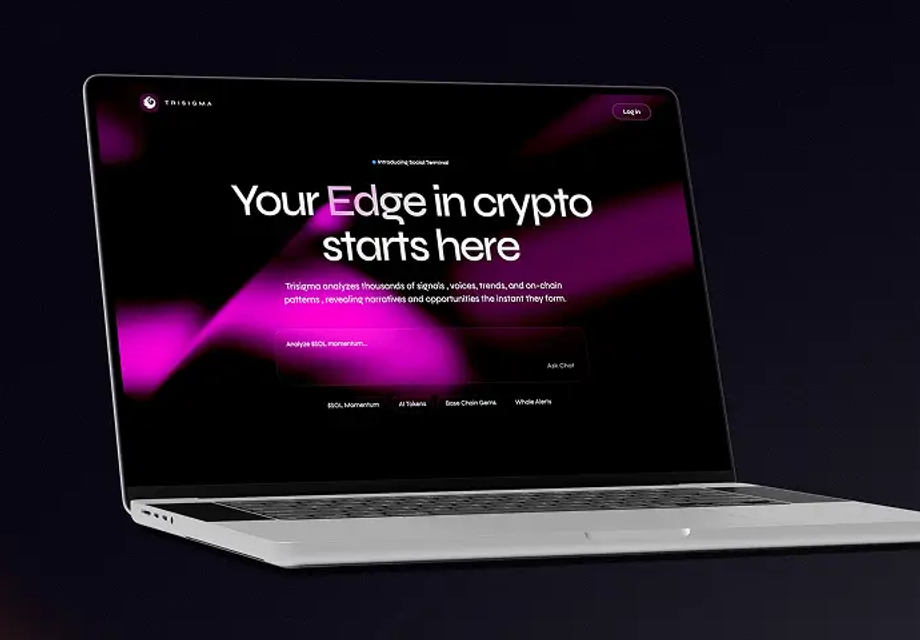
How we took a working Lovable app with about 2,000 commits to production in three weeks, with one developer and a QA specialist.
Read the articleWhy your AI-built app shows 95% of the product for 5% of the effort, and what the remaining part costs: edge cases, permissions, failures.
Read the briefWhere vibe coding is enough and where real users, data and money call for agentic development with review.
Read the articlePaste a link to the app or the repo, or describe it: the tool you used, who will use it, what happens when you try to deploy and your launch date. The first written review is free and limited in scope; implementation is quoted separately.
 Mike KacprowiczBook a callChief Growth Officer


