

Client
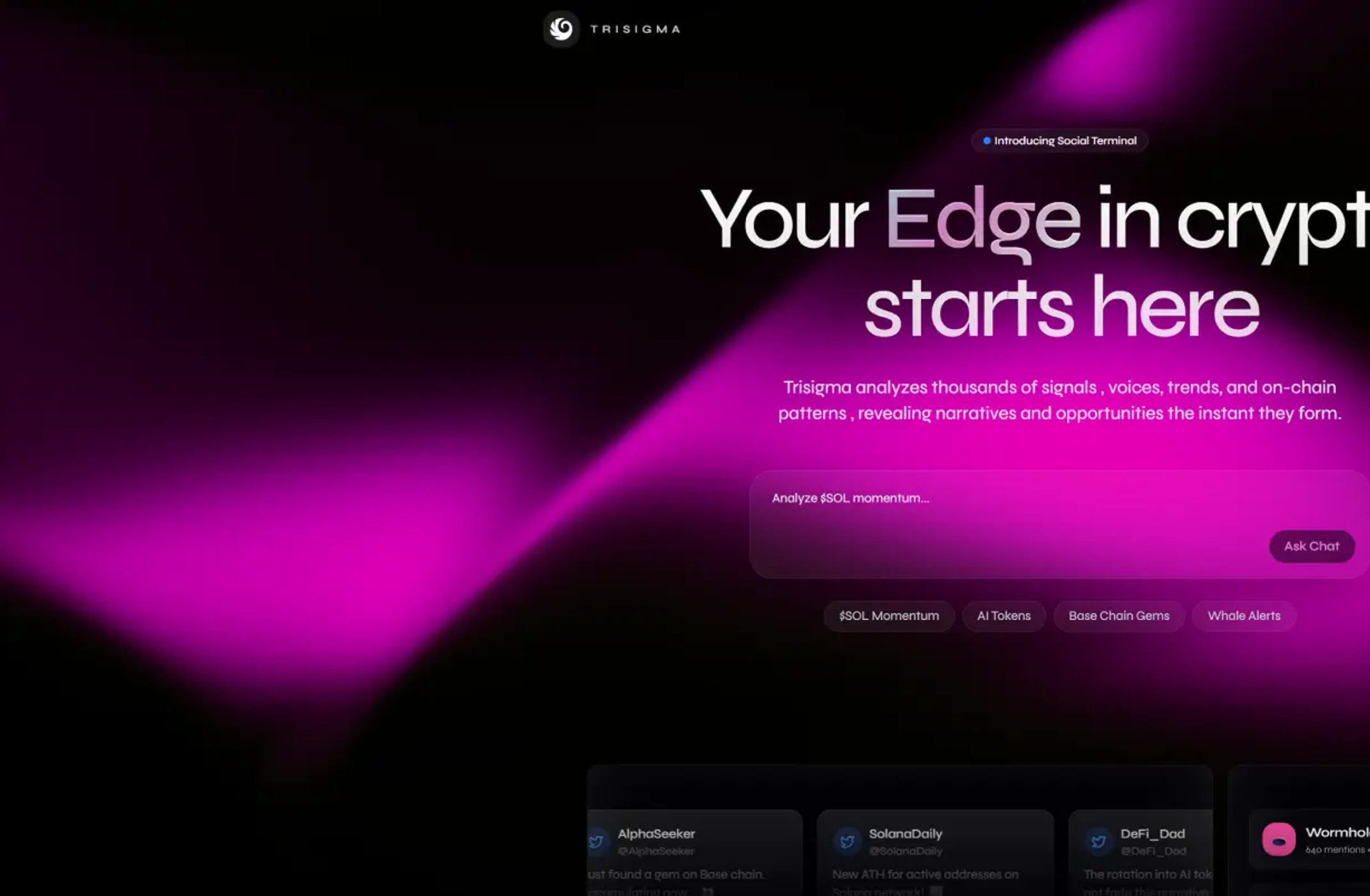
Signal Mesh is an AI-driven market intelligence platform for active crypto traders and investors. The platform aggregates social signals, runs them through an AI layer, and makes them queryable - through automated dashboards and a conversational interface where traders can ask directly about tokens, sentiment shifts, or macro events affecting the market.
What separates it from generic monitoring tools is the curation. The platform's job is to process that feed faster and more systematically than any human analyst could.
Challenge
SignalMesh came to us at a turning point. The founders had built the initial product themselves and validated the idea - but their sole developer couldn't scale it alone and eventually left. What remained was a codebase with potential and a roadmap that needed a full team to execute: frontend, backend, AI, and data engineering, all at once. What they needed was a team that could take ownership of the whole thing.
What we inherited: a frontend that needed a full rewrite, a backend missing a proper API layer, and roughly twenty Python microservices running without meaningful security hardening. The database had no access controls - any authenticated user could read or delete all data. The API wasn't secured beyond authentication. These weren't oversights. They were the natural result of a product built fast, by one person, to prove a concept.
The other constraint was time. The market window for a crypto intelligence product isn't static. We needed to make decisions quickly, flag risks explicitly, and keep moving without pretending the trade-offs didn't exist.
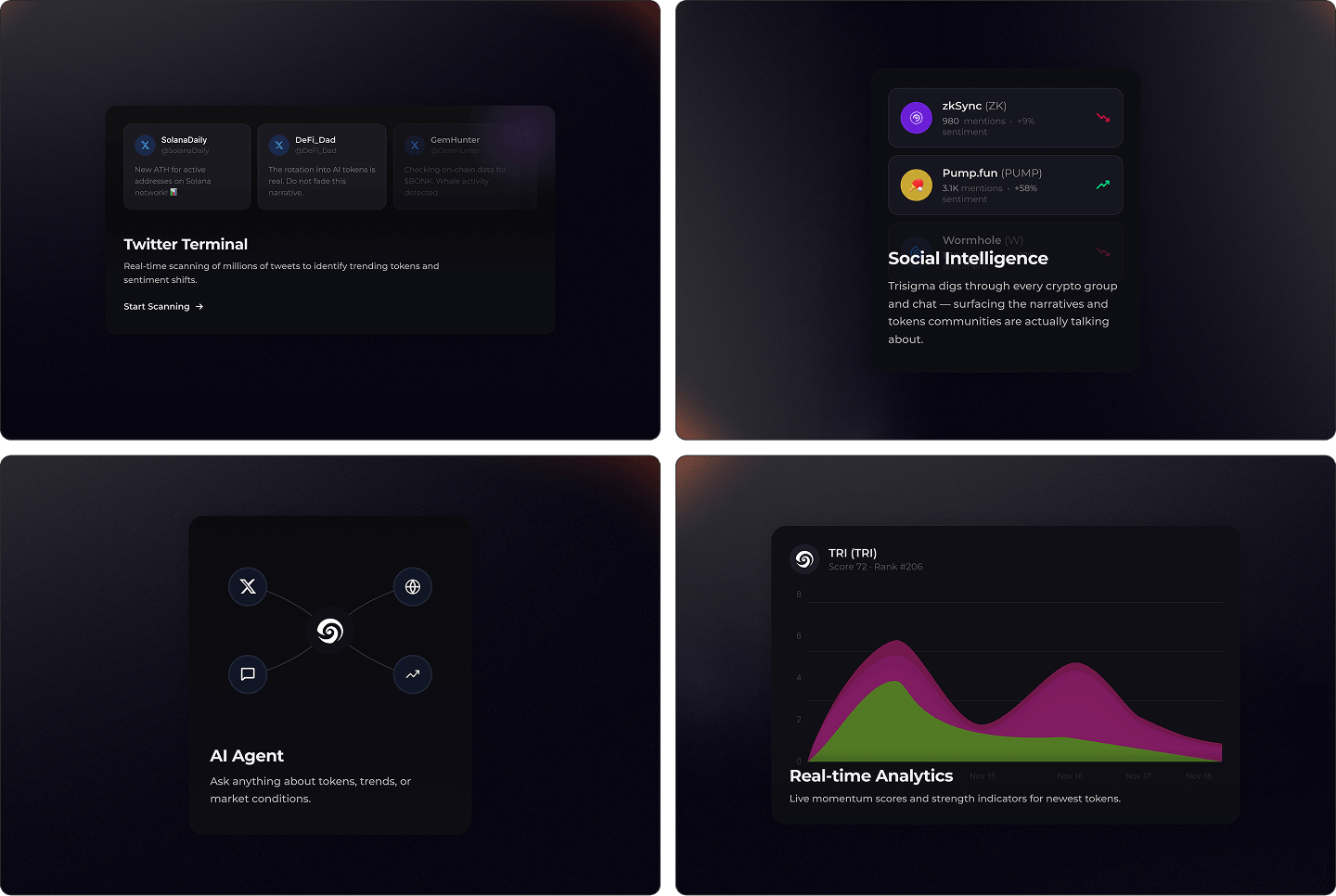
What we built
We started fresh. The existing codebase had accumulated enough complexity that rebuilding was faster and safer than inheriting someone else's decisions.
We took full ownership of the platform - front to back - and treated it as a product problem, not a delivery one.
- The frontend was a clean rebuild. The existing codebase had enough structural debt that rewriting was the faster, lower-risk path. We rebuilt it with React, Vite, TanStack, Tailwind, and Radix - designed to handle the data volumes and update frequency the platform required.
- On the backend, we introduced a Fastify API layer (Node.js) as the primary application service and integrated the existing Python microservices where they were functional. We didn't rewrite what worked. We stabilized it, secured it, and built it reliably around it. Where components were genuinely broken or unsafe, we replaced them. Where they were good enough, we kept them. That distinction mattered - time spent rewriting functional code was time not spent building what was missing.
- The core of the platform is the AI intelligence layer. We implemented a RAG (Retrieval-Augmented Generation) pipeline over the ingested social data, enabling semantic and keyword search across the full corpus of tracked posts and signals. This powers the dashboard's automated insights and drives the conversational AI interface - a chat system where traders can query the data directly and get responses grounded in SignalMesh's proprietary signal stack rather than a generic model's training data.
- We ran structured experiments across LLM providers - OpenAI, Anthropic Claude, and Grok - to find the right configuration for the platform's context. Each model behaves differently in tone, precision, and consistency. Grok, for example, has a sharp and punchy style that's engaging - but produced worse analytical results for this use case. We selected based on what the product needed, not what was simplest to implement.
- Midway through the project, SignalMesh expanded scope: they wanted to add new social sources to the platform. They came with the request. We came back with the actual problem: source anonymization was mandatory - individual identities within those sources couldn't be exposed - and the insight generation logic needed to work differently for community discussion than for public posts. We designed the anonymization model, defined the processing architecture, and built a parallel pipeline that handled it correctly without disrupting the existing system. It was effectively a second major feature built in parallel with finishing the first.
- The founders gave us genuine autonomy over technical decisions. When we recommended an approach, they went with it - not blindly, but because they trusted the reasoning. That kind of working relationship is rarer than it sounds, and it's what made the pace possible.
- On security: we addressed the critical vulnerabilities before go-live - locked down database access controls, secured API endpoints, ensured no authenticated user could reach data outside their own scope.
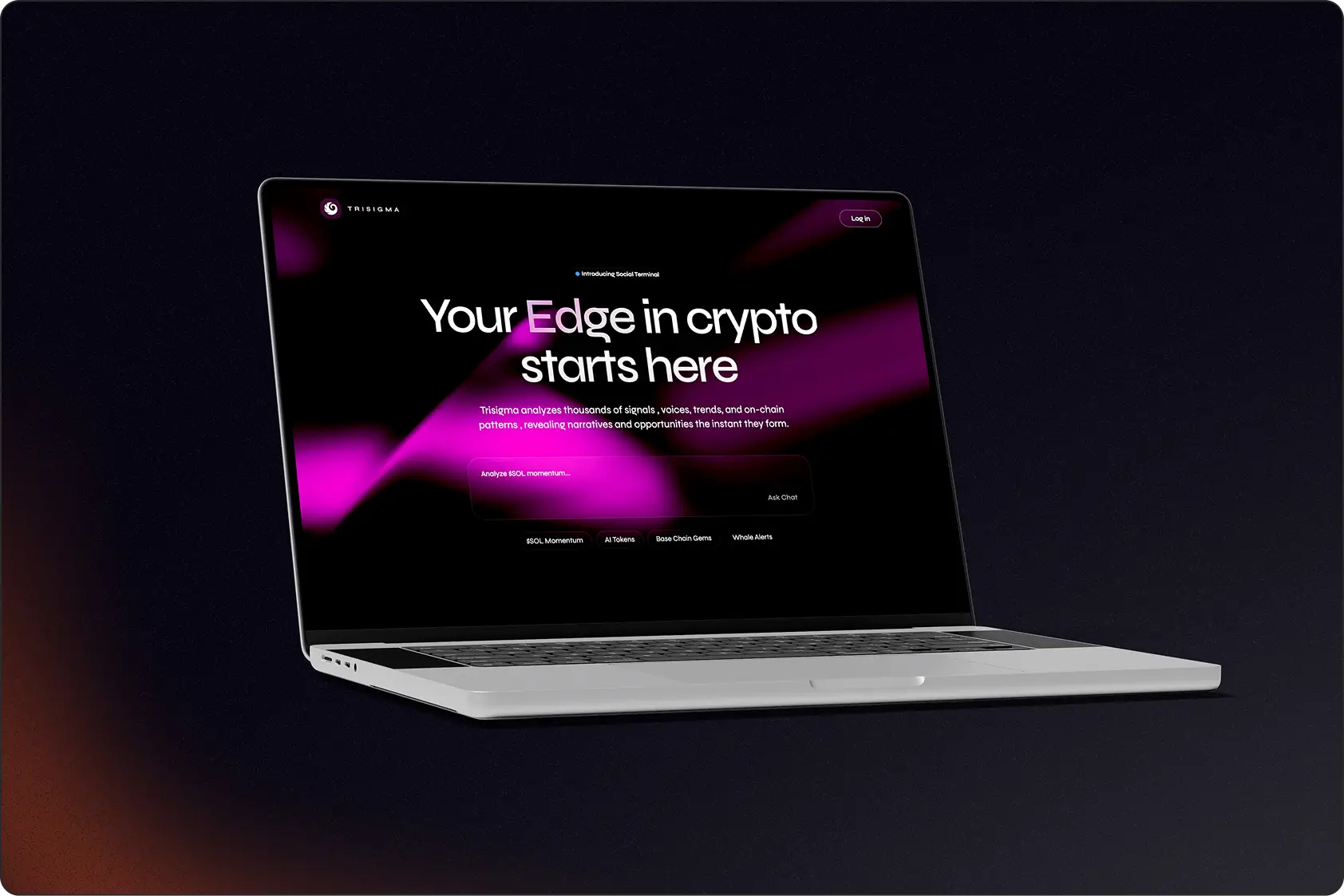
Outcome
Signal Mesh went live in January 2026, on schedule, with its founding user community already in the system and testing before the public announcement.
The platform delivered what it set out to: a production-ready AI intelligence layer, a rebuilt frontend, and a data pipeline capable of handling the scale the product requires.