
 3 min read
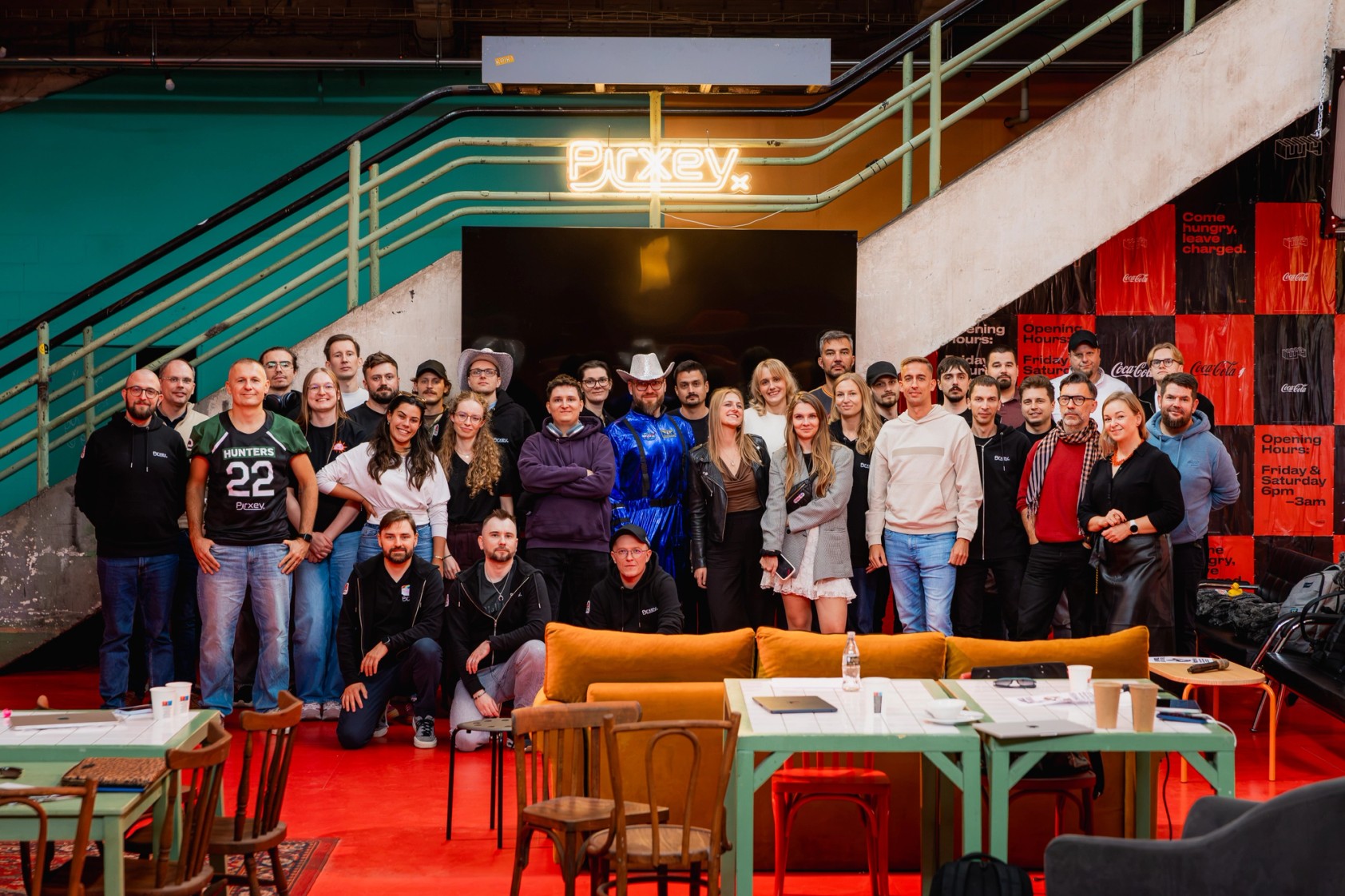
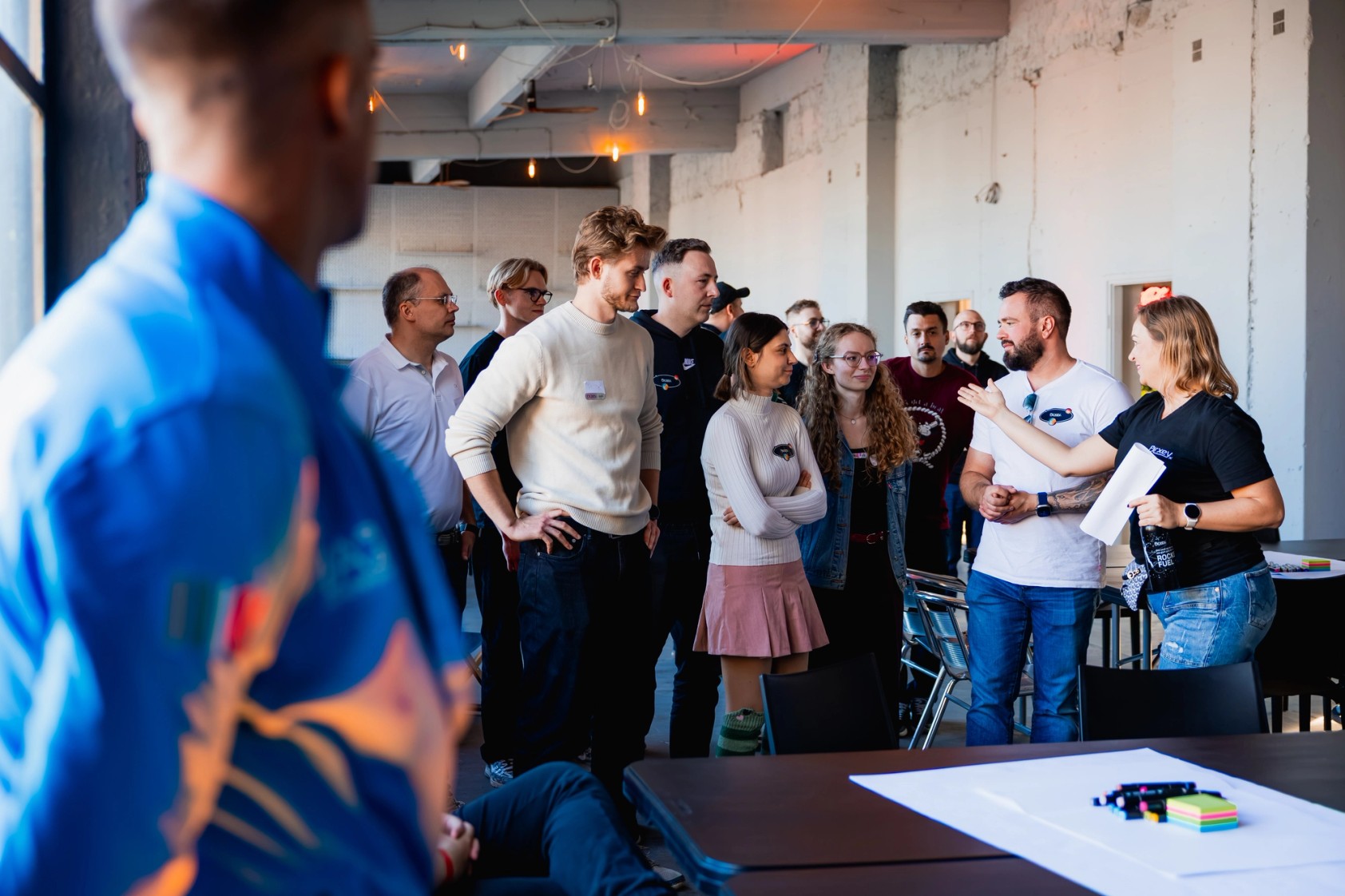
Nine teams, about 20 hours, nine working products. That's how our fall offsite ended. Pirxey is a remote company. Our engineers, designers and PMs work from all over Poland, and for most of the year we see each other as Google Meet tiles. A couple of times a year we all get into one room. On October 2-3, 2026, around 60 of us took over Hangar W4 at the Gdańsk Shipyard (yes, the shipyard where Solidarity started in 1980!) and turned that offsite into a hackathon.
Why we did it
Clients increasingly come to us with two or three people and an idea, instead of a 20-person team and a 60-page spec. They want to know fast whether the idea is worth building. We wanted to see how we'd handle that, with AI writing most of the code and our people deciding what to build and whether it makes sense.
In August we ran product workshops with Tomek Tomaszewski of Product Academy. The hackathon was where we put them into practice.
And we wanted time together. In a remote company you never see which terminal a colleague uses, what shortcut they swear by, or what they've automated for themselves. Two days side by side changed that.
The rules
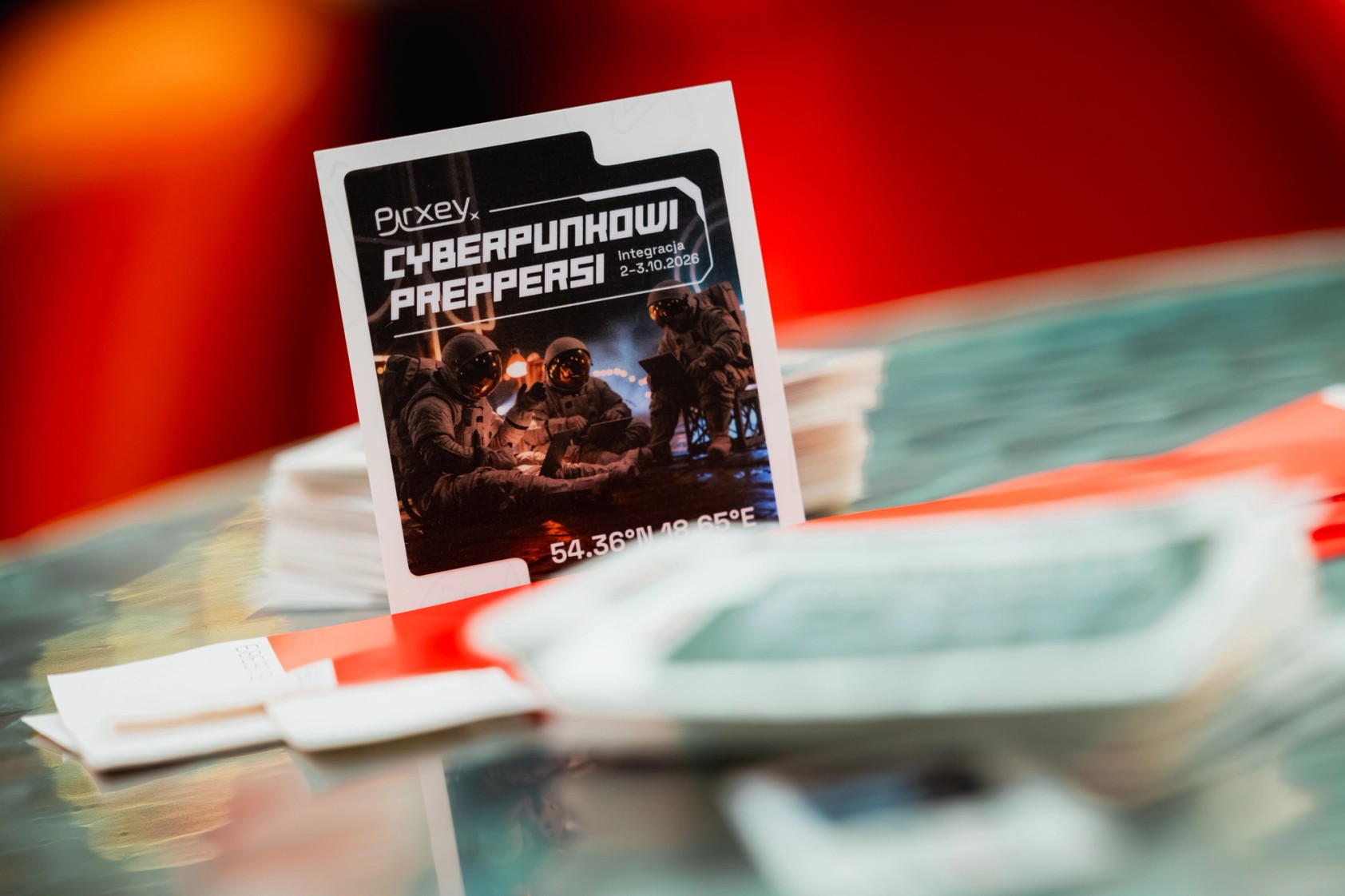
The hackathon started Friday at 4 p.m. We drew teams of about five at random and mixed them by role: developers, someone strong on AI, someone on product, and QA. Each team chose one of three directions: something for Pirxey, something for clients or the world, or something for charity.
Nobody started from scratch. Our engineers prepared starter packs, including our design system and a fintech core, so teams could get to the idea in minutes, not hours.
Joining was voluntary. After a full week of work, most people want to spend Friday night as far from a laptop as possible. Unless they love this stuff as much as we do, and it turns out a whole hangar of us does. We somehow talked people into coding on a Friday night and a Saturday morning, and plenty of them went straight through the night. Anyone who needed a break had a silent disco next door.
On Saturday at noon every team got three minutes to present, in English, and up to three minutes of questions from the jury. Founders and team leads built a project of their own, outside the competition.
The jury
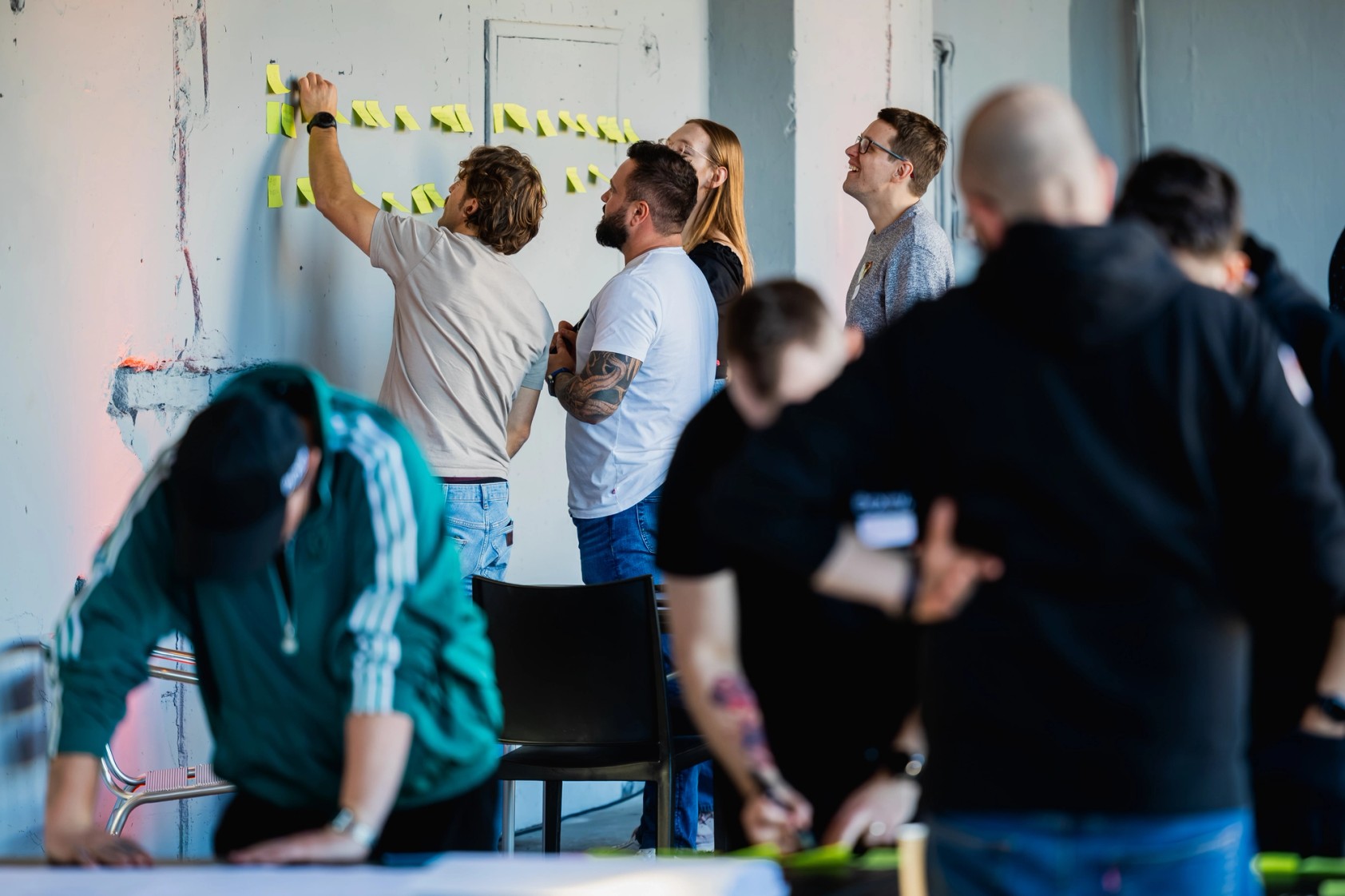
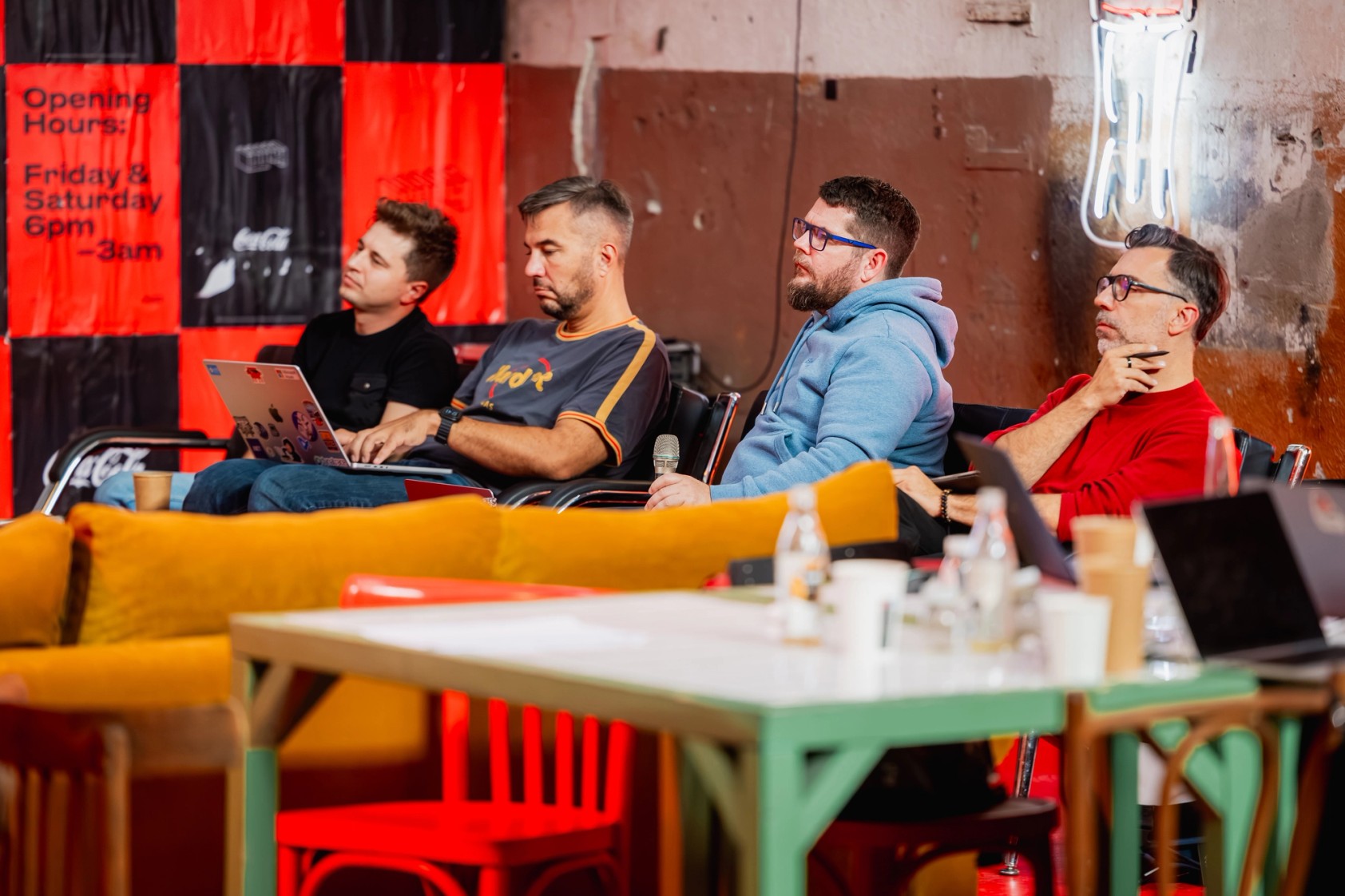
We invited four judges from outside Pirxey. They also mentored the teams, walking between the tables on Friday night and challenging every plan.
- Tomek Tomaszewski (product), founder of Product Academy
- Paweł Siwek (tech), architect at Dynatrace and former fintech CTO
- Mick Griffin (market fit), growth expert, ex-Brand24 and Traffit, now at SmartJobs
- Rafał Kukliński (engineering leadership), SVP of Engineering at SoundCloud, ex-Amazon
How we scored
- Problem and idea: is the problem clear, what did the team test, and who else is solving it?
- Does it help today? One small thing that works for a real user now beats ten features promised for later.
- AI that matters: would this have been impossible, or much harder, without AI?
- How far you got: wireframes, a clickable prototype, a working MVP, or an MVP with a landing page and a brief like the ones on pirxey.com/briefs.
What the teams built
SkinCode (1st place - congrats!!!)
One photo of your face gives you a skin report, a morning and evening routine, and a product list that fits your budget.
Salarup (2nd place)
From a team that called itself Hackstreet Boys. It reads your CV and current job offers and tells you which skills to learn in the next 90 days to get promoted or earn more.
Outfit (3rd place)
An AI stylist that learns your taste from photos, builds a full outfit from real shop items and shows it on you.
Call Companion (audience award)
A macOS app that listens to your online meeting, suggests what to say in real time and checks off the questions you prepared.
WatchWise
Parents see what their kid actually watches on YouTube: the channel, the title, the Shorts and the time spent.
Simplica
It explains oncology discharge summaries in plain language to patients and their families. The idea came from a real patient-portal tender at the Masaryk Oncology Institute in Brno.
Deus
360 feedback styled as a space mission. The crew sends their input, AI drafts a readiness report and a "Flight Director" approves the training plan. Individual comments stay private.
Blinky
A tool for our sales team. It matches our people to a client's job ad and returns anonymized CVs in our template.
Time Off
A leave-management module for Pirxey Time, our in-house time tracker, with its own landing page.- HolisticDiagnosis - leadership team built a workspace for patients whose illness takes years to diagnose. It puts lab results, symptoms and treatment on one timeline, and every number shows where it came from.
What we learned
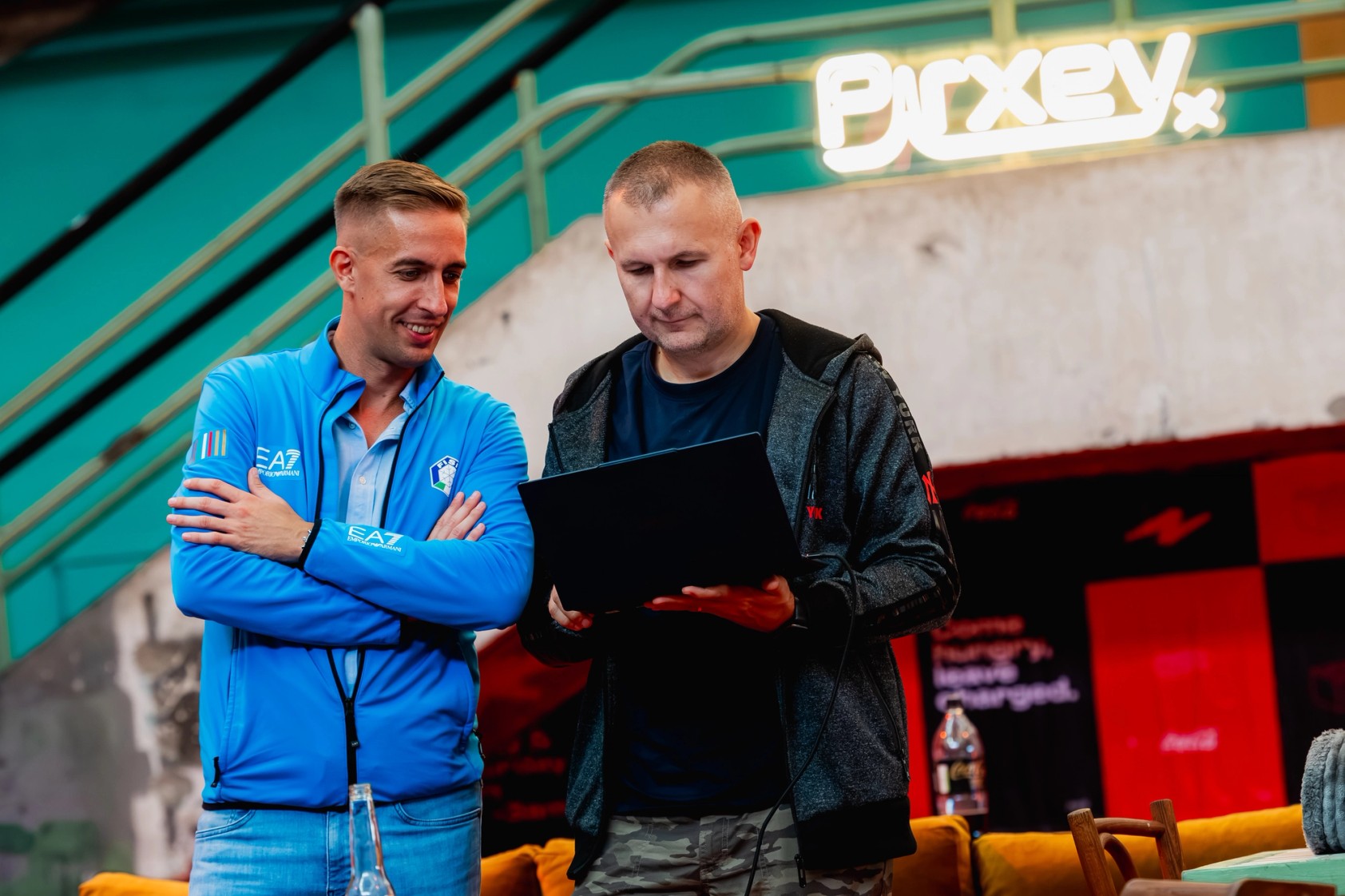
These are prototypes, not production software, and that was the point. A team of five working with AI can go from zero to a working MVP with a landing page in less than a day. Writing the code was the easy part. The hard part was choosing the problem, cutting scope and being honest about whether the product helps anyone.
That's exactly what we do with clients in the first two weeks of a project. Now every person at Pirxey has done it against the clock.
Have an idea and want to know fast whether it's worth building? Talk to us!
Does an offsite like this sound like your kind of weekend? We're hiring! Follow us on Linkedin 🚀