Explore
Custom software · Rescue & takeover

Your product needs a team that can take over

The developer left, the first build stalled or customers use an app nobody can safely change. AI has made the slow part of a takeover fast: agents read unfamiliar code, map what depends on what and write tests that pin down how the app behaves today. Our engineers check the findings and decide what changes. You get a written keep, fix or rebuild plan before implementation, then an agreed first milestone delivered in your repo.

  • 130+People, remote across Poland
  • 44 daysFirst line of code to live, one consumer product
  • 5.0Clutch rating, 11 reviews

This is for you if you need a route out of a stalled build

  • The developer left without a handover

    You have code but are unsure who controls hosting, the database or the accounts the app depends on.

  • The builder has reached its limits

    The app started in Lovable, Bolt or Replit. Changes now break working parts or you need a path out of the builder.

  • Customers use it, but every release is a risk

    Repairs need to protect the data and workflows people already rely on.

  • A complete rewrite is the only proposal on the table

    You want a second opinion, with a reason for keeping or replacing each part.

What you get. A recovery plan grounded in the code

An inventory of code and access

What runs, which accounts you control and what is missing. The assessment records unknown dependencies and risks to keeping the product available.

AI-assisted reverse engineering

AI agents read the whole codebase, trace how data moves between modules and services and draft characterization tests for the behavior your users rely on. Work that used to take weeks of reading now takes days. An engineer checks every finding before it goes into the plan.

A keep, fix or rebuild decision for each part

The frontend your users already know, working business logic, your data and your accounts usually stay. Logic that lives only in a builder's prompts, code nobody can change safely and keys owned by someone who left usually go. Each part gets a verdict and a reason.

A priced first milestone

A defined slice of recovery work with acceptance criteria, a schedule and a price you approve before work starts. Urgent continuity issues are separated from improvements that can wait.

A handover your next team can use

Approved repairs and tests in your repo, with updated operating instructions. You can continue with us or transfer the product to your own team.

Tech stack. Starting from what you inherited

We take over the stack you have, not the one we would pick: Java, .NET, PHP, Python, Node.js, Go and Ruby on Rails backends, React, Angular, Vue or older jQuery frontends, React Native apps and products that started in Lovable, Bolt, Replit or Supabase. AI agents help us read whichever one it is. The review says what can stay, what needs repair and which dependencies affect the handover.

Tech stack

  • Java
  • Spring Boot
  • .NET
  • C#
  • PHP
  • Laravel
  • Python
  • Node.js
  • TypeScript
  • Go
  • Ruby on Rails
  • React
  • Angular
  • Vue
  • jQuery
  • React Native
  • PostgreSQL
  • MySQL
  • MongoDB
  • Supabase
  • AWS
  • Azure
  • GCP
  • Lovable
  • Bolt
  • Replit
  • Terraform
  • SonarQube
  • Sentry
  • Playwright

How we work

Establish control before expanding scope

We work from what exists and make missing access visible before planning the repairs. AI shortens the reading, the mapping and the test writing. Engineers still decide, review and own every change. A limited review comes first, followed by an agreed implementation milestone. The live product and its users determine the rollout and recovery plan.

They thought like product owners, not contractors.

Shahar YahavCo-founder, SignalMesh
  1. Within one business day: confirm access

    We reply and ask for the repo or the export, who built it and which accounts you control: repository, hosting, database, domain and the services the app depends on. NDA first if you want one.

  2. Free written review: keep, fix or rebuild

    AI agents read the code, map how modules, services and data depend on each other and draft tests for the behavior people rely on. Our engineers check that work and write the verdict: keep, fix or rebuild for each part, plus the risks to fix before anyone touches it. Limited scope, typically within a few business days of getting access.

  3. A priced first milestone

    A fixed scope and a fixed price for the first milestone, with acceptance tests you approve before we start.

  4. Take over in your repo

    We agree the transition plan with you, then replace what is underneath in small releases with a rollback. The tests from the review run on every change: agents draft refactors and fixes, an engineer reviews and merges them. Documentation goes in with every change, so your team or another vendor can take it from there.

How

Change the code, keep the rules

AI does the heavy lifting. Experienced engineers own the decisions.

AI reads the whole codebase

AI traces the code and maps its rules, dependencies and edge cases. We review that map with your team, including behavior that never made it into the documentation.

Code · Rules · Dependencies

Tests before and after

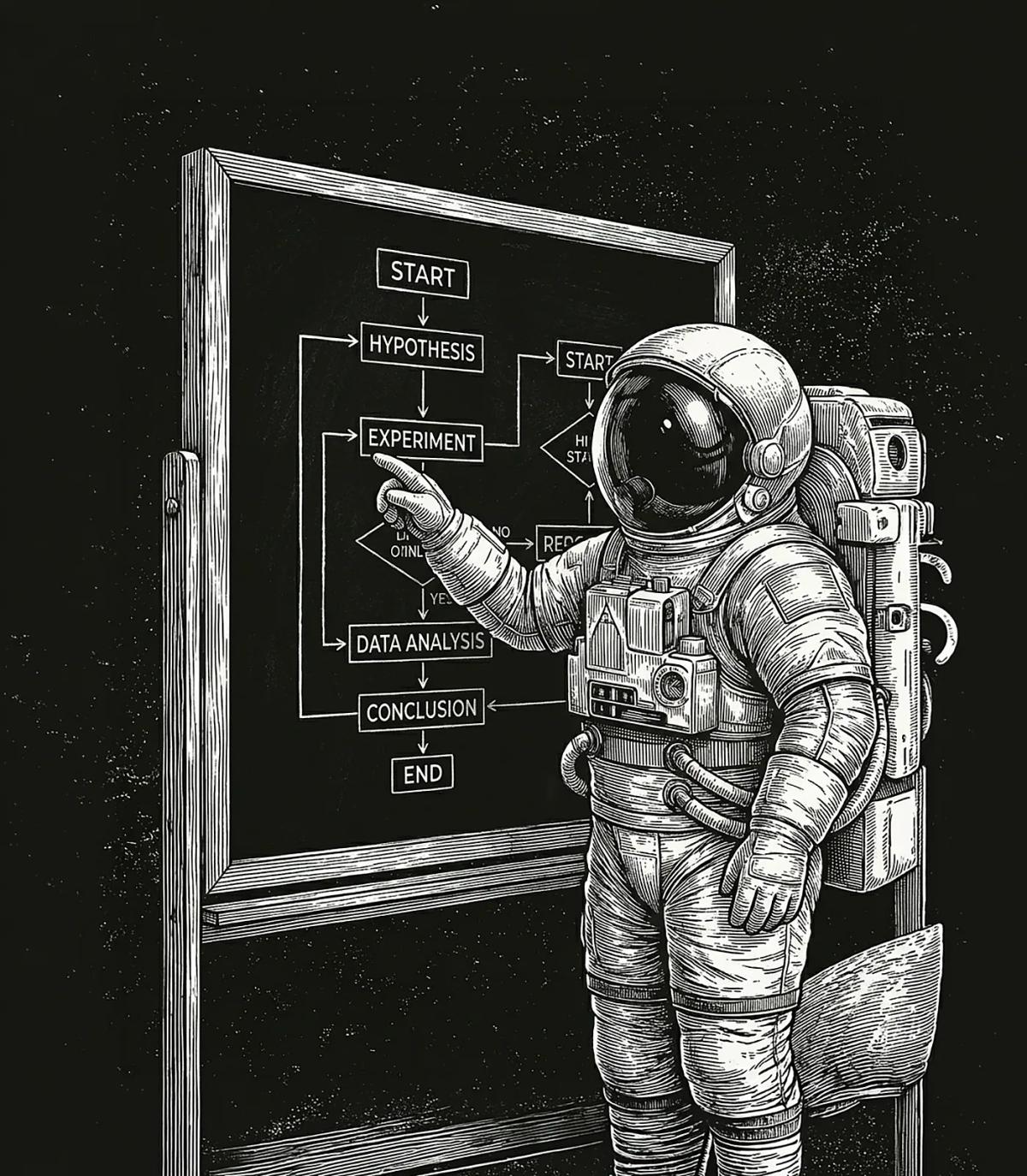
We capture current behavior in tests before making changes. We run them against the modernized application. Every rule and every edge case must still hold.
Behavior · Regression tests

People decide, AI does the heavy lifting

Our engineers choose what changes and review what AI produces. Your team confirms the business rules. AI helps with analysis, refactoring and repairs under that direction.

Engineering judgment · AI execution
No rewrite by default

When we keep your code and when we don't

Three public cases, three different verdicts: a Lovable app we kept and hardened, a platform where we kept the working services and replaced the rest, and a codebase we honestly started over. The list for your app comes before you pay anything.

What usually stays

  • Frontend that users already know

  • Working business logic and validated product decisions

  • Your data

  • Your accounts: domain, hosting, payments, email

What usually goes

  • Logic that lives only in a builder's prompts

  • Stored procedures that nobody can run twice

  • Code without tests that nobody can change safely

  • Accounts and keys owned by someone who left
Proof, not promises

Featured
PropTech · Platform
NDA · USA

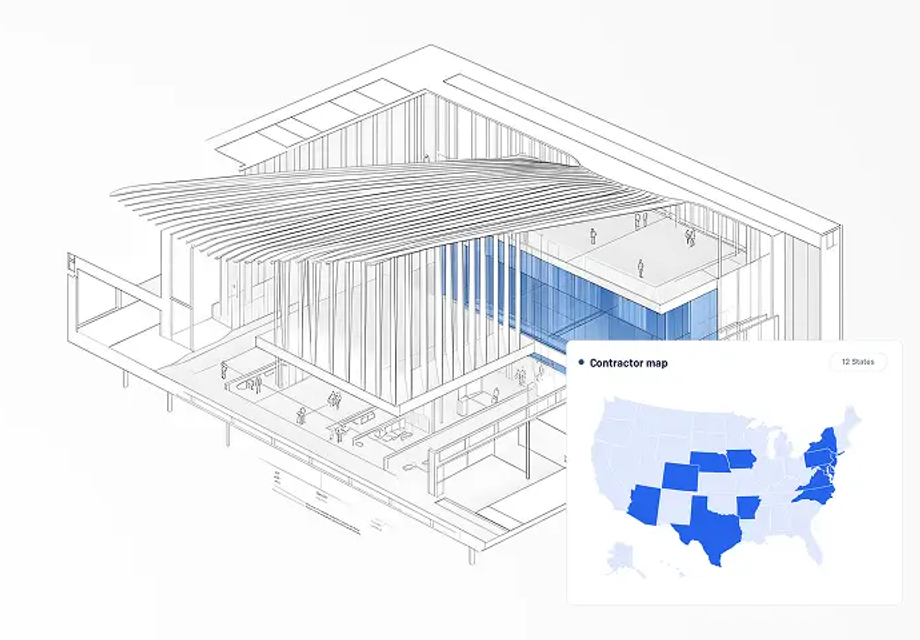
Rescuing a construction management platform after a failed first build

1 mo written off to live
Read
AI · FinTech
Signal Mesh · USA

Taking over and rebuilding a crypto intelligence platform

EdTech · AI
Elite Medical Prep · USA

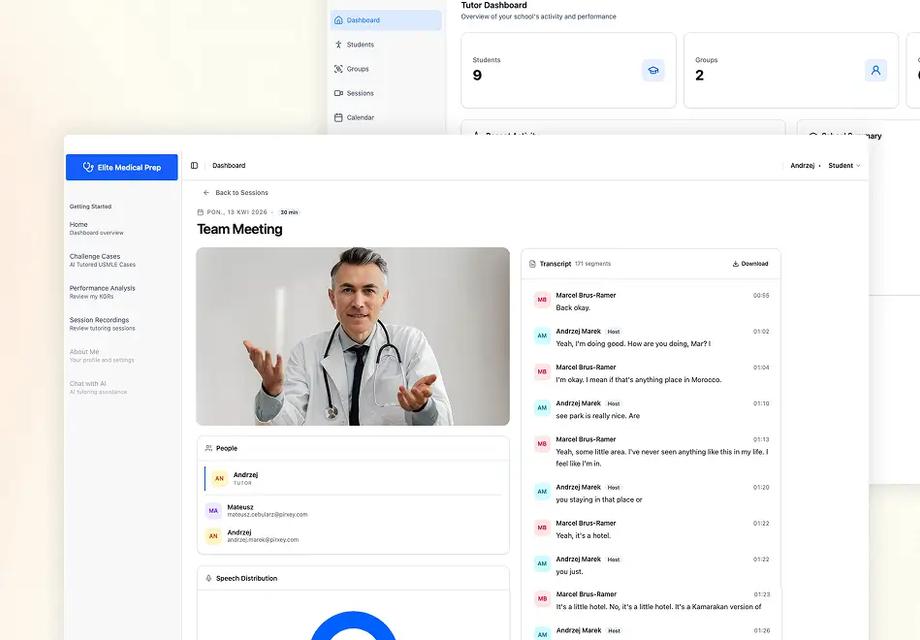
AI-powered medical tutoring for Elite Medical Prep

2 mo broken codebase to deployed
Read

Questions when taking over someone else’s build

  • No. We work in your repository, your cloud and the tools your team already uses. If one of them gets in the way of the work, we tell you what and why, and you decide.
  • With a 30-minute scoping call. We look at what you have and what you need, then propose a first step with its scope and price before any work starts.
  • The limited first review to scope the work is free. Implementation is a paid engagement, with a fixed scope and price for the first milestone. You see the proposed work and acceptance criteria before approving it.
  • The limited first review is typically ready within a few business days of receiving access. Missing accounts or undocumented dependencies may require a separate investigation. The full takeover and repair schedule is agreed from the findings.
  • Only with a documented reason and a comparison with targeted repairs. We keep what works, usually the frontend and your data, and replace what is fragile underneath. In one public case we did start over, because two earlier attempts had left nothing worth keeping, and we told the client before we started.
  • It makes the slow parts fast. Reading an unfamiliar codebase, tracing dependencies and writing tests that pin down current behavior used to take weeks before anyone dared to change a line. Agents now do most of that reading and drafting in days, so a rescue, a fix or a refactor costs less and starts sooner than it used to. What AI does not do is decide. It can be confidently wrong about why a piece of code exists, so our engineers check its findings, approve every refactor and own the result in your repo.
  • Most of them. Java and Spring, .NET and C#, PHP and Laravel, Python, Node.js and TypeScript, Go and Ruby on Rails on the backend; React, Angular, Vue, older jQuery frontends and React Native apps; PostgreSQL, MySQL, MongoDB and Supabase on AWS, Azure or GCP. Plus apps built in Lovable, Bolt or Replit. We do not ask you to switch stacks to work with us. A change of stack is only proposed where the review shows a reason.
  • Yes. Most of what the original developer knew is still in the code, the commit history and the running system. AI agents help us read it back: what each module does, what calls what and which behavior the tests need to protect. Missing access or undocumented dependencies are recorded as constraints on the takeover.
  • We list what you need to recover (domain, hosting, database, payment and email providers, app stores) and what you can prove you own; it is the first risk in the review. Accounts in someone else's name can only be handed over by that person or the provider, so we cannot promise to recover them.
  • Usually. Where the builder allows an export, we move the code and the database into your GitHub and your cloud and start from there. If it does not, the review says what it takes to run the app outside the builder.
  • We plan for that first: a transition around the app's dependencies, agreed with you, with small releases and a rollback for each one.
  • We can, as a maintenance stream under a scope you approve. Every change goes through your repo with documentation, so a future in-house team or another vendor can take it from there without us.
  • Yes. Three public cases, three verdicts: a Lovable travel app we kept and hardened, Signal Mesh, where we kept the working services and replaced the rest, and Elite Medical Prep, where we started over after two failed attempts. A New York construction developer came to us with a first version built offshore that nobody trusted, and the project was on track to be shut down. We rebuilt the backend from scratch, took the empty product-owner seat and went from written off to live in one month, in scope and on schedule. The rebuild cost about 400 unplanned hours; what we would do differently is push harder up front for a defined scope and dedicated analysis time. Signal Mesh, a crypto platform whose developer left, went live six months after we took it over. Neither case is a standard deadline for your project.

How we think about this, in our own words

Interactive briefs and articles by our team, picked for this service

From a Vibe-Coded Travel App to a Real Product

A Lovable app with about 2,000 commits and lots of technical debt, taken to production in three weeks: what we kept and what we replaced.

Read the article

Why 10× isn't a constant

Why the speed someone reached building alone with AI does not carry over to a growing codebase, from a model of 53 production projects.

Read the brief

The new Pareto: 95/5

Why an app that looks finished can still be missing most of the work: edge cases, permissions and failure paths.

Read the brief

Show us what exists and where delivery stopped

Additional details (optional)

We reply within one business day.

Pirxey will process your data to answer your inquiry. Details in our Privacy Policy.