
The idea means different things to different people
Founders, sales and operations each picture a different product. We get those versions into one flow before anyone writes a backlog.
Our business analysts run discovery together with product designers from Widelab, our design brand, and the engineers who will build the product. We work through your users, workflows and data with the people who decide, in clear stages. AI helps at every step, and people make every call. You leave with a clickable prototype built in real code, plus requirements, decisions and user flows that stay your living project docs. When you build, that prototype becomes your production frontend.


Founders, sales and operations each picture a different product. We get those versions into one flow before anyone writes a backlog.
A slide deck won't tell you if the flow works. A clickable prototype your users can try will. And if buying a ready tool makes more sense, we say so.
Workshop notes that end up in a drawer get redone later. Here the requirements, flows and prototype carry straight into the build.
A price range with every assumption spelled out, so the budget talk is about choices, not guesses.
Built by our designers and engineers in React and Next.js, sometimes started in Lovable. It isn't a throwaway mockup. It grows into your production frontend.
Widelab is our product design brand, same company. Its designers map how each role moves through the product and shape the screens your users test.
Users, roles, data and business rules written as living project docs in Notion or Confluence. They get updated as the build moves, so they never go stale in a PDF.
What was decided, why, and who decided it. Six months in, nobody has to guess why a flow works the way it does.
What goes into the first version and what waits, already in Linear or Jira and ready for a team to pick up.
Build, buy or wait. The risks and dependencies we found, and an indicative budget with the scope assumptions behind it.
Five stages, with your decision-makers in each one
Business analysts lead discovery, with Widelab designers and our engineers in the room from day one. AI does a lot of the work between sessions: it transcribes, drafts flows and requirements, and spins up first screens. People review every output and make every decision. A dedicated business analyst is the reason this works: on a US campaign-finance platform, the team says the MVP would not have shipped on time without one.

When you propose something to them, they don't simply say yes. They come back with a pro and con.
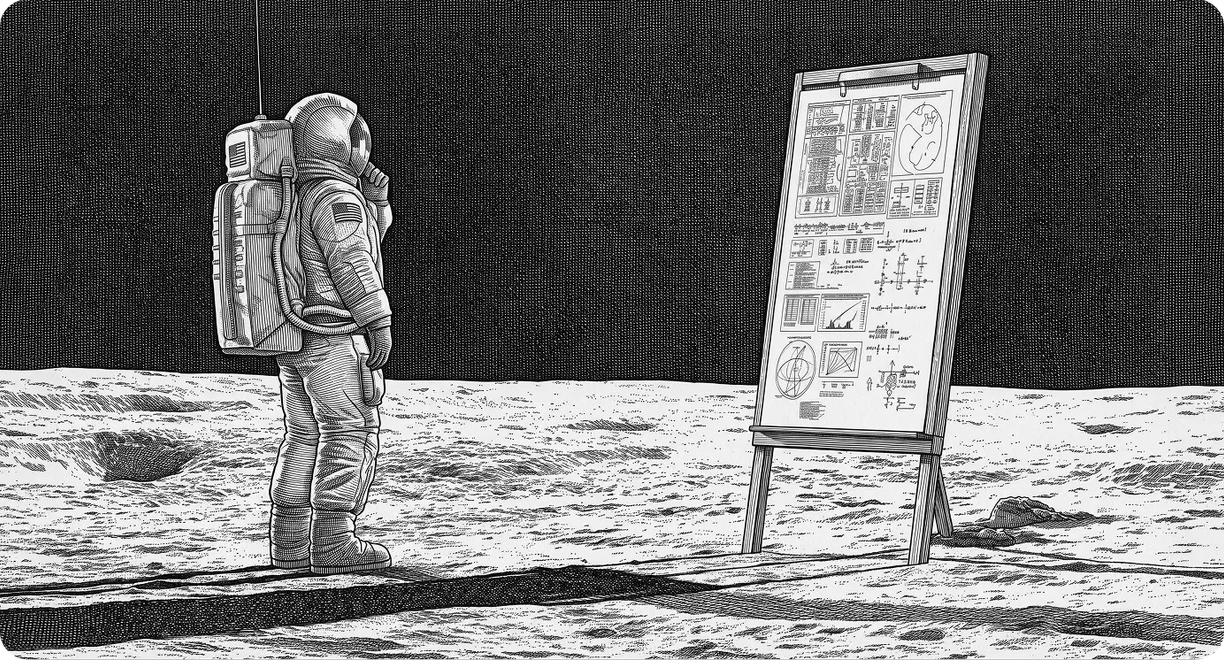
Sketches, research, the spreadsheet the process runs on today. AI sorts and summarizes it, and the business analyst turns it into the questions the workshop has to answer.

Who logs in as which role, what they need to get done, which data moves where and what must not change. Sessions are recorded and transcribed, so nothing said in the room gets lost.
Widelab designers turn the workflows into user flows and UX in Figma. AI drafts options fast. Designers choose, fix and own what goes forward.

Engineers build it in React and Next.js, with tools like Lovable and Claude Code to move fast. Your users click through it, and we change it based on what they do.
Requirements, the decision log, the backlog, risks and a price range with its assumptions, walked through with your stakeholders. Build, buy or wait: if a ready tool fits, we say so.
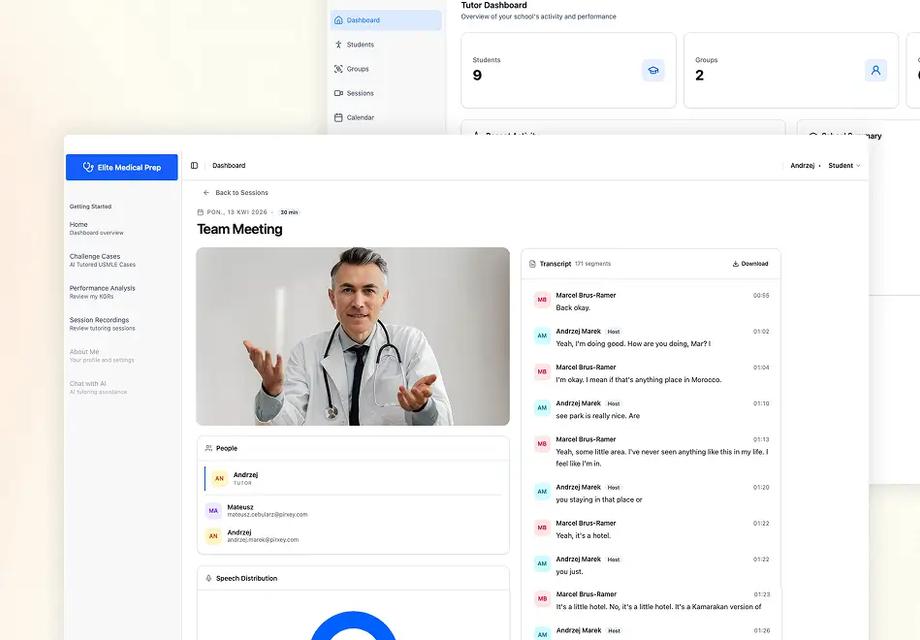
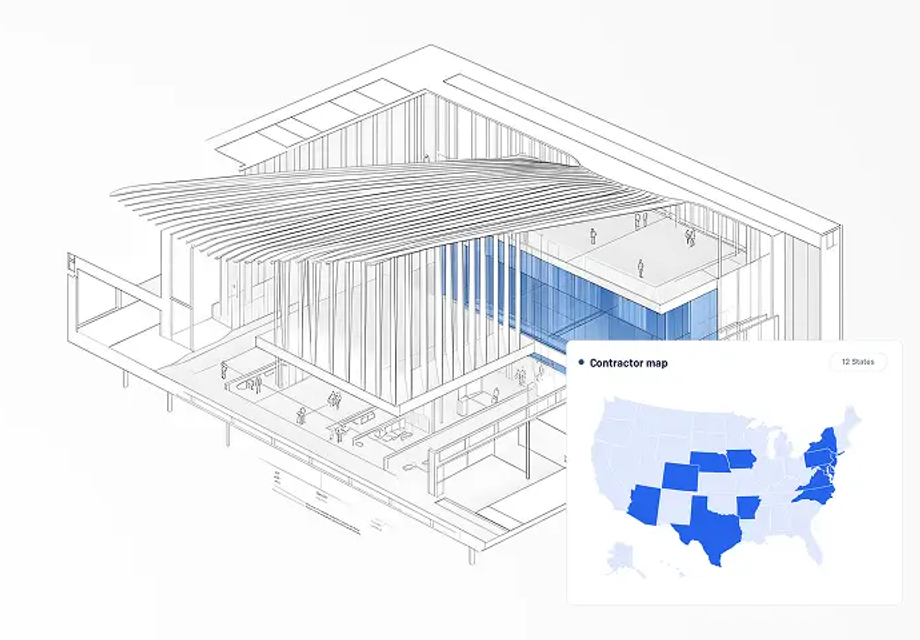
Why the 5% of effort that makes a convincing prototype hides the edge cases and permissions your scope has to price.
Read the briefHow to decide what the first version needs, test it with real users and launch small before funding the full build.
Read the articleWhen building custom software makes business sense and when buying is the better call, shown on financial products.
Read the articleTell us the business problem, the people involved and the decision you need the workshop to support.
 Mike KacprowiczBook a callChief Growth Officer


