
The workflow spans too many screens
Users lose context while moving between records, forms and approvals.
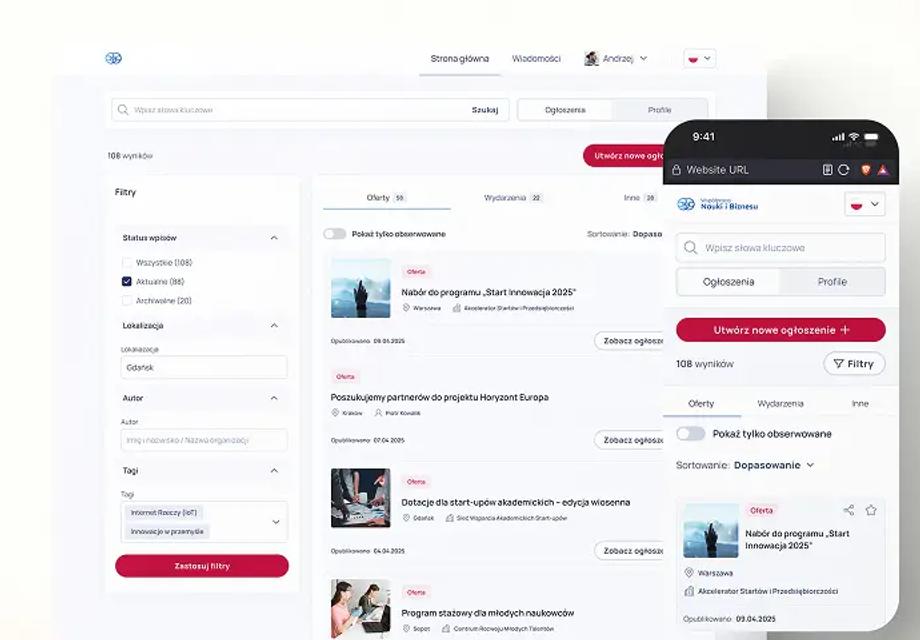
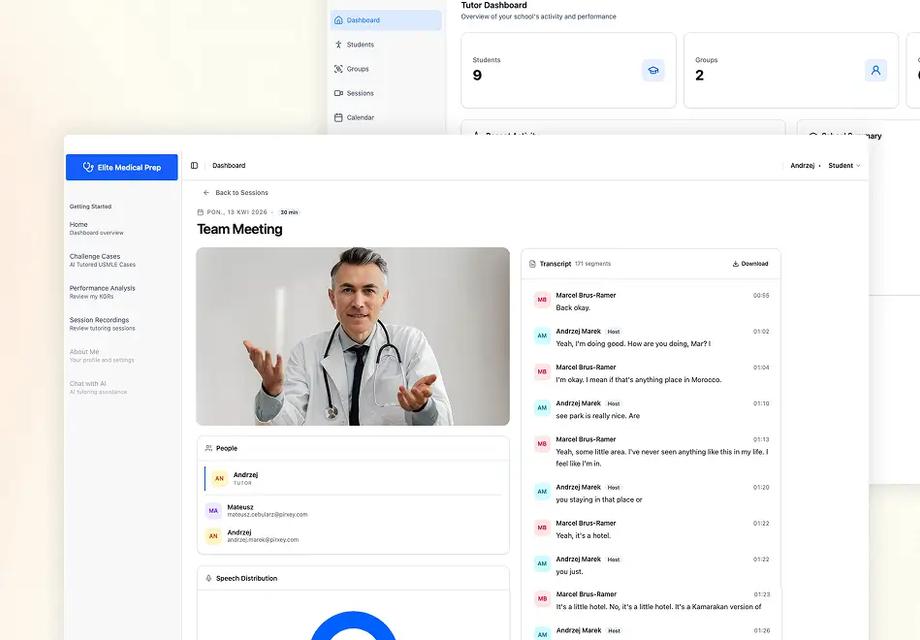
For product teams building a customer portal, a dashboard or an internal tool people rely on every day. We build React or Angular front ends wired to your APIs and your permission model, including the loading, empty and error states agreed with your designers. React work can start from Wideset, the design system we built with Widelab, our product design brand: AI-native components that coding agents use the way your designers intended. Accessibility comes in from the first screen: for WSB Merito we shipped a bilingual WordPress platform to WCAG 2.1 AA, with documentation ready when the ministerial audit came.


Users lose context while moving between records, forms and approvals.
Every new screen invents its own buttons, and AI coding agents add lookalikes faster than anyone can review them. You need shared components that designers, engineers and agents all use.
Sometimes accessibility is written into the contract, with an audit at the end. Keyboard use, focus states, contrast and screen readers have to hold on every screen.
A manager sees only their team, an owner sees the whole portfolio. Permissions have to be enforced on the server, not only hidden in the screens.
Screens and interactions for the agreed user journeys, including loading, empty and failure states.
Wideset, built with Widelab: 50+ components on Radix, Tailwind and CVA, documented in Storybook and covered by tests. An agent guide maps each UI intent to a component, so AI agents reuse parts instead of inventing new ones. Your brand goes in a theme layer.
Core journeys and the agreed WCAG level verified across browsers and devices, with a record of who addressed each requirement and how.
Role-specific journeys built on the backend's permission model and tested as each role.
Build complete journeys, then expand
We choose a useful path through the application and deliver it with its data integration. Reviews cover how the flow behaves when information is missing or a user cannot complete an action, alongside the intended visual design.
Pirxey is a very communicative and caring team.

Map the user journey, content needs and permissions with product stakeholders. Agree the screens and states the first release must cover, including empty results, failed requests and restricted access. Keep later features visible in a separate backlog.

Check designs against what the API actually returns and agree the reusable components the flow needs, from your design system or from Wideset.

Implement the interaction and check how it behaves across the agreed browsers, devices and accessibility scope.

Review the working flow with you and prioritize the next area of the application.

How clean boundaries between frontend and backend keep each change small enough to review, with a concrete frontend example.
Read the briefWhy the screens are the easy 5% and the empty states, permissions and failed requests are where a web app's effort goes.
Read the briefHow we took a working Lovable business app with about 2,000 commits to production in three weeks, keeping the frontend its users knew.
Read the articleTell us who uses the application and which tasks the next release must make possible.
 Mike KacprowiczBook a callChief Growth Officer


