
One change breaks three other places
A small fix in billing breaks reports and the mobile app. Modules read each other's tables and call each other's internals, so nobody can predict what a change will touch, and incidents cross service boundaries.
Good architecture did the same job before AI and it does it now: it keeps a system easy to maintain and easy to extend. Clear module boundaries, low coupling and explicit contracts mean a change stays where you made it, instead of breaking three other places. Senior engineers read your code, infrastructure, cost reports and monitoring next to the diagram, then write down where coupling costs you, what to fix first and what each fix costs. The cloud gets the same treatment: in one app with 30,000 users, most of the database bill was image transformations repeated for every user, and the fixes cut the Supabase bill by about three quarters.


A small fix in billing breaks reports and the mobile app. Modules read each other's tables and call each other's internals, so nobody can predict what a change will touch, and incidents cross service boundaries.
Releases slow down, estimates grow and engineers avoid parts of the code. You want to know which dependencies cause it and how to cut them without stopping delivery.
Your team uses Claude Code, Cursor or Copilot. Without clear boundaries, every agent change pulls in half the repository and review turns into guesswork.
Supabase, Vercel, AWS or the model provider doubled without anyone deciding that, or someone proposed a new cloud or a rewrite. You want the numbers before the decision.
Modules, data ownership and dependencies, mapped from the code, the infrastructure and production signals, and compared with the diagram. We mark where modules share tables, call each other's internals or have to change together in every release.
Where each boundary needs a public interface, a typed contract or an event, and the checks that keep other modules out. Your engineers, and their coding agents, can then change one area without reading the whole repository.
The bill tied to the workloads behind it. Repeated work, queries without indexes and model calls in a loop are the usual suspects.
How failures move between services, what is exposed that shouldn't be, and how much of the setup is tied to one provider. We check whether the infrastructure lives in code, in Terraform or Pulumi, or only in someone's console history.
Each finding with its evidence, how confident we are, the effort to fix it and the first move. Coupling findings say what it costs you today: which releases it slows and which changes it makes risky.
Prioritized changes in small releases with a rollback: draw one boundary, put a contract in front of it, move to the next. A migration plan only where the findings support one.
Compare the diagram with the code and running behavior
We read the architecture material next to the code, the infrastructure configuration and the operational evidence. For coupling, we look at what changes together, who owns each table and which calls cross a boundary without a contract. For load, we check the same five things on every critical path: indexes that match the filters, bounded reads, short transactions, jobs that are safe when they arrive twice and connection pools budgeted across replicas. Any migration proposal explains how responsibility and recovery would work during the transition.
You want to build it stable enough so you can remove any piece without everything else falling apart. It’s way harder than it sounds.
The decision the review has to inform (faster releases, fewer incidents, a smaller bill, a migration), its deadline and the access we need. NDA first if you want one.

Read access to the code, infrastructure code, cost reports, logs and dashboards, plus a few hours with the people who build and run the system. We find where one change spreads and why.
Targeted fixes, new boundaries and larger moves, each against its cost, risk and what it means to operate.

Ranked findings and a sequence your team can implement in small steps, walked through with you. Fix it yourself, have us scope the work, or leave it.
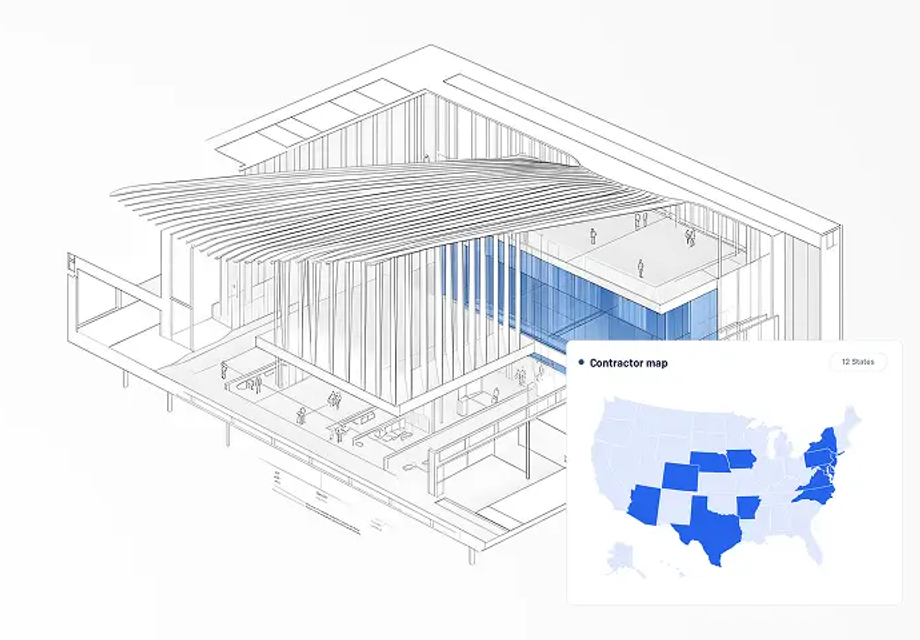


Ports, typed contracts, tests and pull request gates in a concrete Java/Spring and frontend example: what a good boundary looks like.
Read the briefWhy AI leverage decays as a codebase grows, from a field model built on 53 production projects.
Read the briefWhy architecture problems often come from decisions everyone discussed for months and nobody officially made.
Read the articleA feature that touches too many places, a slow release, a cloud bill that keeps growing. Tell us what hurts and we will say where we would look first.
 Mike KacprowiczBook a callChief Growth Officer


