Explore
Consultancy · AI readiness assessment

Every organization has to get ready for AI. Few know where to start

We went through it ourselves and built the tools on the way: Pirxey World, our second brain for 130+ people, a monthly AI pulse and a twelve-question scorecard. The assessment puts them to work on your company and ends with a first action for every gap that matters.

  • 130+People, remote across Poland
  • 12 questionsIn our public AI readiness scorecard
  • 5.0Clutch rating, 11 reviews

This is for you if you need a grounded starting point for AI

  • Everyone agrees AI matters, nobody knows where to start

    Teams try tools on their own, leadership lacks a shared view of the problems worth solving, and the first step keeps being postponed because nobody can say which one it is.

  • The data story is unclear

    You need to understand whether the information required for a proposed use case is accessible and usable.

  • Readiness varies across the company

    Different teams have different skills, rules and expectations about AI use.

  • A strategy needs defensible next steps

    You want the recommendation to connect to observed gaps and identifiable owners.

What you get. A readiness picture and first actions

A structured readiness assessment

Findings across data, reasoning, rules, people, plumbing and backlog, discussed with the people closest to the work.

Evidence and confidence notes

The basis for each assessment, including missing information and areas that rely on self-reporting.

Prioritized first moves

Concrete actions addressing the identified gaps, with a proposed sequence for further investigation or a pilot.

Tech stack. How we score and what we recommend

The assessment runs on the tools we built for ourselves: the twelve-question readiness scorecard from our Mission Brief, the monthly AI pulse survey we run across Pirxey, and Pirxey World, the second brain we built for our company of 130+ people.

Tech stack

  • AI readiness scorecard
  • AI Pulse survey
  • Pirxey World
  • Claude Code
  • Cursor
  • Codex
  • Anthropic API
  • OpenAI API
  • Notion
  • Google Workspace
  • Slack

How we work

Compare the score with the evidence

Our readiness framework uses 12 questions across six pillars to structure the discussion. We examine the context behind the answers and distinguish reported experience from observed process evidence before recommending what to do next.

They have people who actually can think ahead, ask questions, think five steps ahead and anticipate.

Marcel Brus-RamerFounder, President, Elite Medical Prep
  1. Define the decision

    Clarify what leadership needs to choose and which parts of the company the assessment should cover.

  2. Examine the readiness pillars

    Discuss current practices, available data and constraints with the relevant teams.

  3. Challenge the initial picture

    Check the evidence behind the answers and record disagreements or missing information.

  4. Agree the first moves

    Walk through the findings and identify actions your team can take from the report.
Proof, not promises

Featured
EdTech · AI
Elite Medical Prep · USA

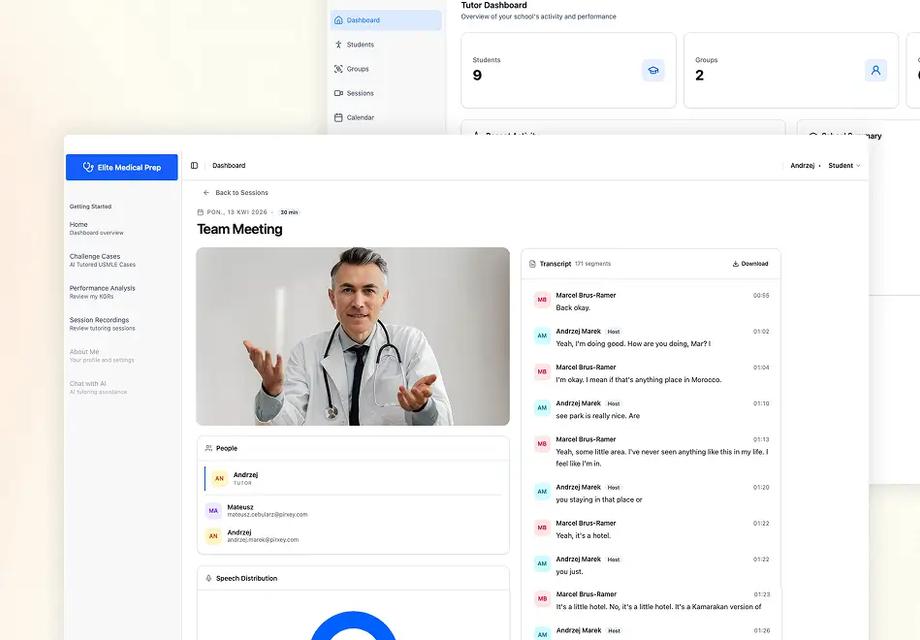
AI-powered medical tutoring for Elite Medical Prep

AI · FinTech
Signal Mesh · USA

Taking over a crypto platform no one else could ship

Questions about assessing AI readiness

  • No. We work in your repository, your cloud and the tools your team already uses. If one of them gets in the way of the work, we tell you what and why, and you decide.
  • With a 30-minute scoping call. We look at what you have and what you need, then propose a first step with its scope and price before any work starts.
  • The framework covers data, reasoning, rules, people, plumbing and backlog. We use them to connect AI ideas with the information, responsibilities and systems needed to make them workable.
  • The scorecard offers a starting point for self-assessment. A facilitated review examines the evidence and context behind the answers with your team.
  • Our own assessment provides internal context for the framework. We do not present it as an independent benchmark of other companies.
  • Tool selection may follow from a defined need and the constraints we find. The assessment first establishes which problems and readiness gaps deserve attention.
  • A proposed use case may depend on data or process work that needs to happen first. The report explains those dependencies and the action that would make a later decision better informed.

Find the next AI step your organization is ready to take

Additional details (optional)

We reply within one business day.

Pirxey will process your data to answer your inquiry. Details in our Privacy Policy.