Explore
Team augmentation · QA & test automation

Make release decisions with clearer testing evidence

For product teams whose testing has not kept pace with development, including teams shipping more AI-written code. Our QA engineers join your team, plan tests for whole user journeys (roles, devices, bad input, timeouts) and build automation that runs on every change. Automation and AI give you coverage. A person still signs off on the release and catches the things no script was told to look for. That's why we've significantly grown our QA team, manual and automation: once AI writes the code, verification is where releases wait.

  • 130+People, remote across Poland
  • QA + productMost of our 2026 hires
  • 5.0Clutch rating, 11 reviews

This is for you if you need more confidence in changing software

  • AI writes more code than anyone can check

    In Faros' study of 10,000+ developers, bugs per developer rose 9% in high-AI teams. More code, the same verification capacity.

  • Regression work is hard to repeat

    Important behaviors are checked by hand, differently each time, as the product grows.

  • Automated tests are difficult to trust

    Flaky or unclear checks make it hard to tell product failures from test problems.

  • Failures appear between features

    A user goes from the mobile screen to the admin role and hits a failed request nobody wrote a test for.

What you get. Testing that supports release decisions

A risk-based test scope

Critical workflows, roles and devices identified with the team, starting with the flows that break most.

Manual and automated checks

Exploratory testing where requirements are unclear, acceptance tests from the ticket and regression suites in CI, so a change without passing tests doesn't merge.

Browser tests that click like a user

Playwright runs through the product the way people do. After every deploy to a test environment, a short run also checks real providers, never production.

A person who signs off

Scripts and agents check what someone told them to check. A tester reads the results, tries the paths nobody scripted and gives the release a yes or a no. That's where the non-obvious bugs turn up: the label that confuses people, the flow that works but feels wrong, the case nobody wrote down.

Results and maintenance guidance

Defects and test evidence your stakeholders can read, and docs on how the team runs and updates the suite after we leave.

Tech stack. Manual, automated, accessible

Browser, mobile, API, load and accessibility testing, plus test management and reports your stakeholders can read.

Tech stack

  • Playwright
  • Cypress
  • Selenium
  • WebdriverIO
  • Appium
  • Detox
  • Maestro
  • Ranorex
  • Jest
  • Vitest
  • Testing Library
  • Postman
  • k6
  • JMeter
  • axe-core
  • Lighthouse
  • BrowserStack
  • LambdaTest
  • Qase
  • TestRail
  • Allure
  • GitHub Actions
  • GitLab CI
  • Jira

How we work

Begin with the failure that matters

We discuss which failures would most affect users and use that to shape the first testing work. QA writes acceptance criteria with your product owner before the build and reviews automation for reliability, so the team knows what a passing check actually covers. Green checks are where a tester starts, not where they stop: before a release, a person still walks through it and says yes or no.

They were very professional and reliable.

Izchak SharfmanCTO, Angotech (via Clutch)
  1. Map release risks

    Review critical user journeys, recent defects and support tickets with product and engineering leads. Record where releases wait and which failures recur before choosing automation work. The first assignment should improve an agreed release decision, with evidence you can compare afterward.

  2. Choose the first checks

    Separate exploratory work from stable behaviors that justify automation.

  3. Integrate testing into delivery

    Acceptance criteria before the build, tests on every change, and QA with your product owner on the deployed environment.

  4. Review gaps and maintenance

    Use defects and test results to adjust coverage and remove checks that no longer help.
Proof, not promises

Featured
EdTech · Platform
WSB Merito · Poland

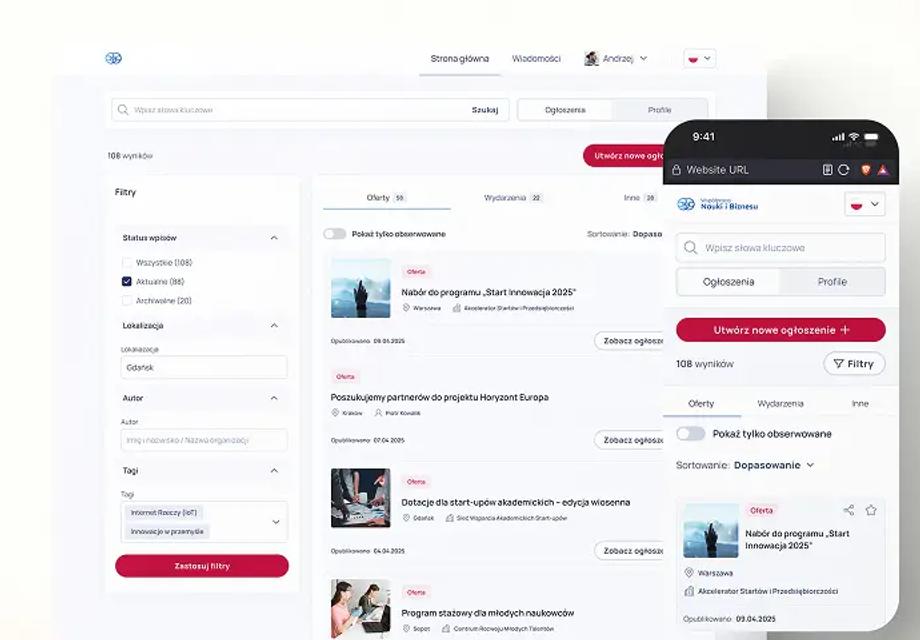
A WCAG-compliant social platform for 10,000+ students

10,000+ users planned
Read
Security · Government
Matic · Poland

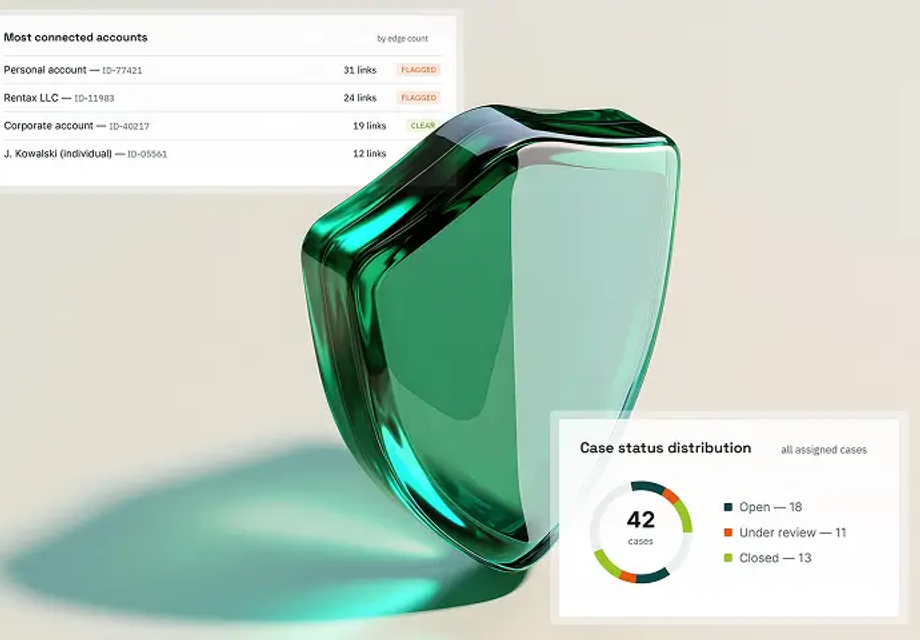
Financial-crime investigation software for Poland's authorities

1.5M+ records normalized in one case
Read

Questions about QA within your team

  • No. Our engineers work in your repository, your backlog and your code review process, with the tools your team already uses.
  • With a 30-minute call about the role and the work. We propose people who fit, you meet them before they join, and the terms are agreed before work starts.
  • No. Automation goes to repeatable behavior where the result is useful and maintainable. Exploratory testing remains valuable for unclear requirements and unexpected interactions.
  • Yes. We check the suite's coverage and reliability before proposing additions. Stabilizing existing checks may be more useful than increasing their number.
  • Yes. In one client week, QA had the highest declared AI share in commit metadata of any area, 94%. Agents draft test scenarios; a tester decides what counts as passing, and nothing merges unread.
  • Because coverage tells you what was checked, not what's missing. A tester notices what nobody wrote down: a button that works but confuses people, a screen that breaks only on a slow connection, two requirements that contradict each other. Depending on your product you get a manual tester, an automation engineer or both, and a person gives the final sign-off before release.
  • It can be part of the agreed scope. We define the journeys and the WCAG level with your product team, then check them with automated tools and by hand.
  • Yes. For Ranorex we run a maintenance stream that includes customer reports and compatibility fixes for new operating-system and browser versions, with regression coverage kept useful as the product changes.
  • We quote for the role and availability you need and agree the terms before anyone starts. Hours are tracked per task and visible to you, and contracts have a notice period, not a lock-in.
  • The suite and its instructions remain with your product team. During the engagement, ownership and maintenance routines are agreed with the engineers who use it.
  • No. Testing gives evidence about the behaviors and conditions examined. Release decisions still need to account for untested areas and the consequences of remaining risks.

How we think about this, in our own words

Interactive briefs and articles by our team, picked for this service

Your developers got faster. Did your product?

Why testing becomes the queue once AI speeds up coding, and what changes when you staff it.

Read the brief

Shipping new things while drowning in tickets

See how support tickets, regressions and testing split your team's week and compare six months with a dedicated maintenance stream.

Read the brief

Do you even use AI? The receipts

How every AI-written change on a live client project is recorded and read by a person before it merges.

Read the brief

Identify the failures your next release cannot ignore

Additional details (optional)

We reply within one business day.

Pirxey will process your data to answer your inquiry. Details in our Privacy Policy.